A rainy day in Dingle, but great scenic views around the peninsula.
This area is the setting for several movies, including Star Wars’ Return of the Jedi.
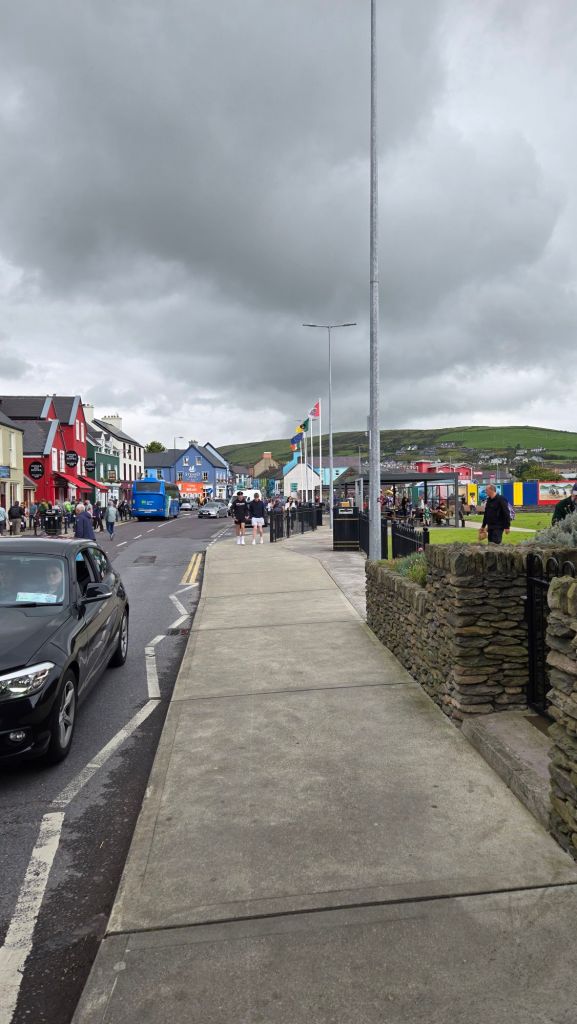

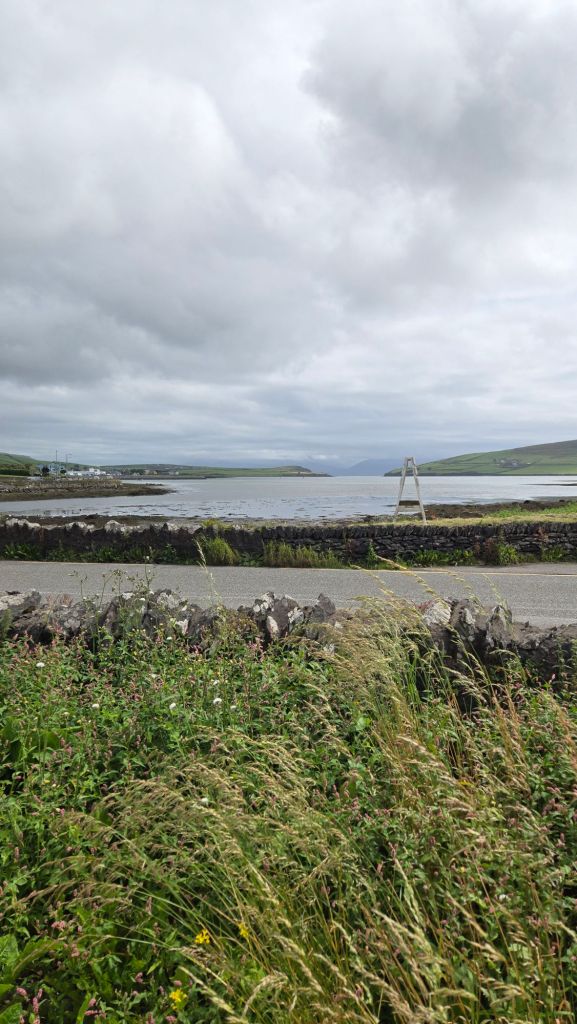

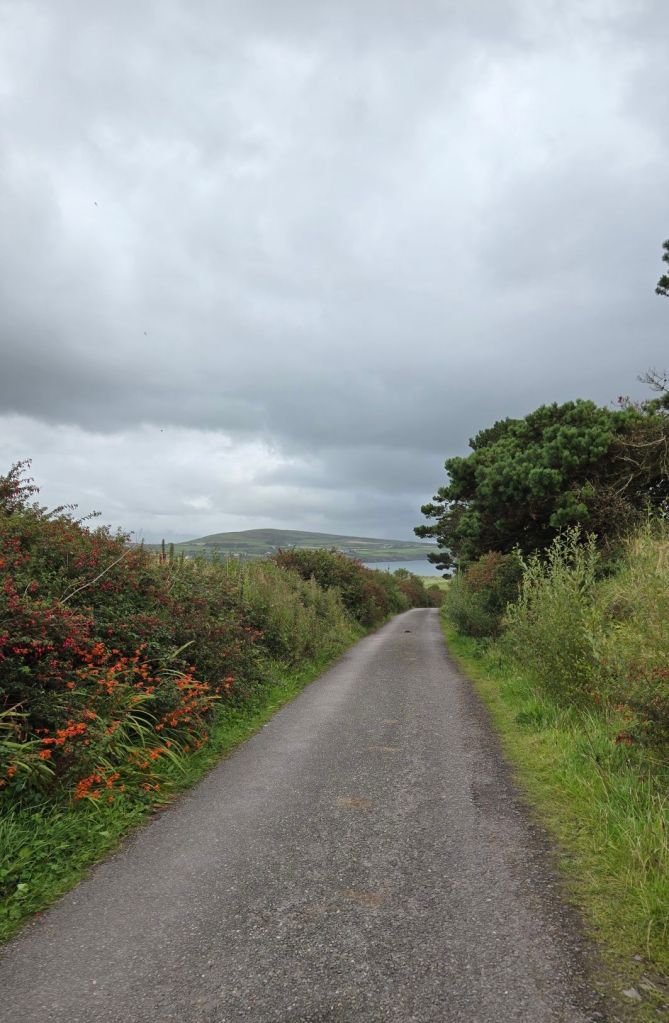
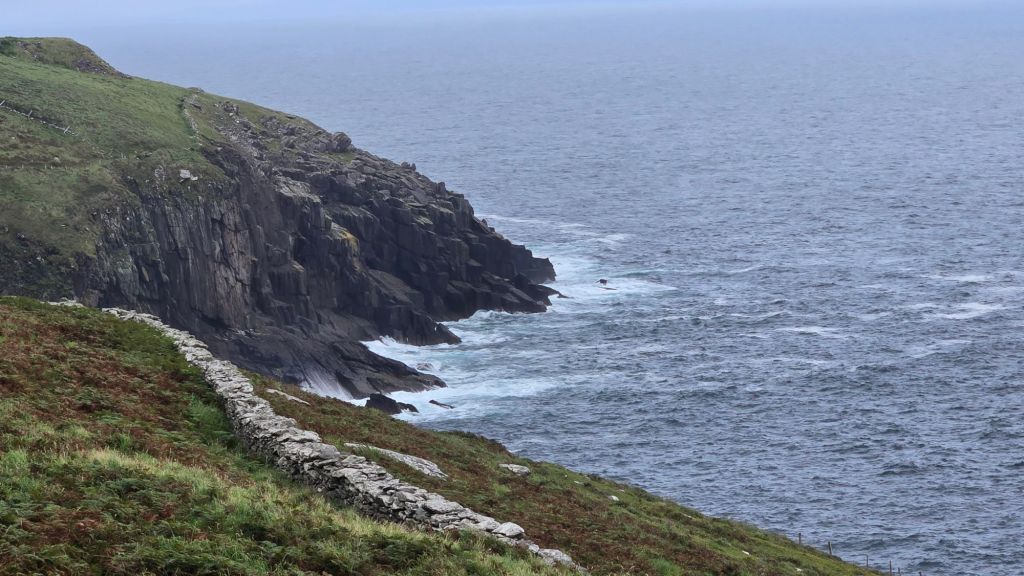
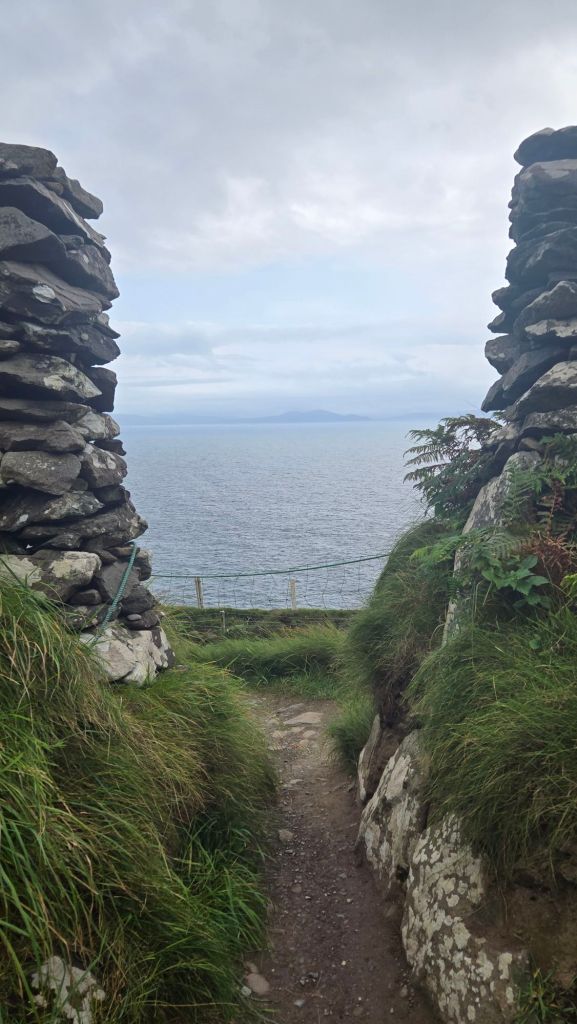
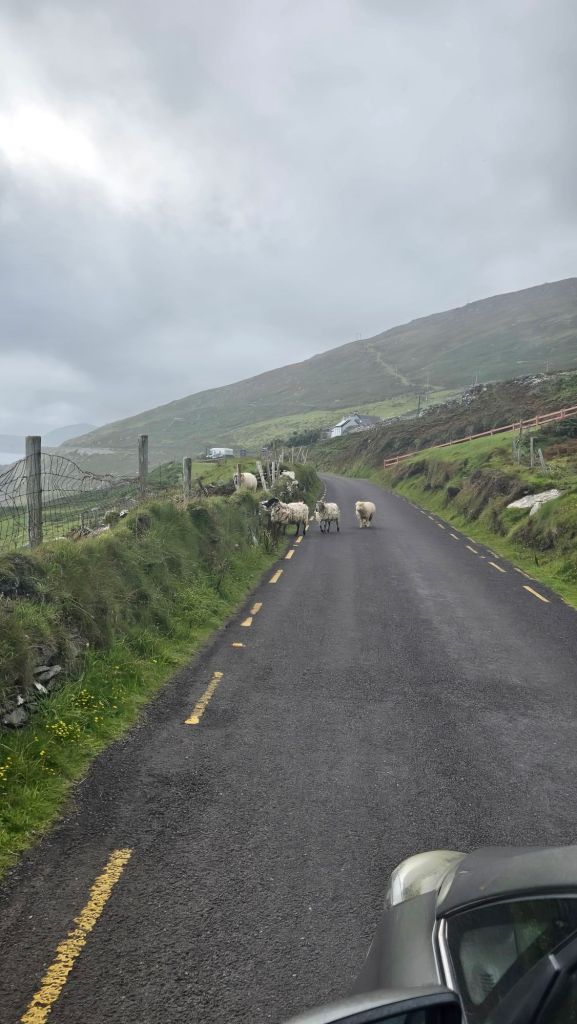
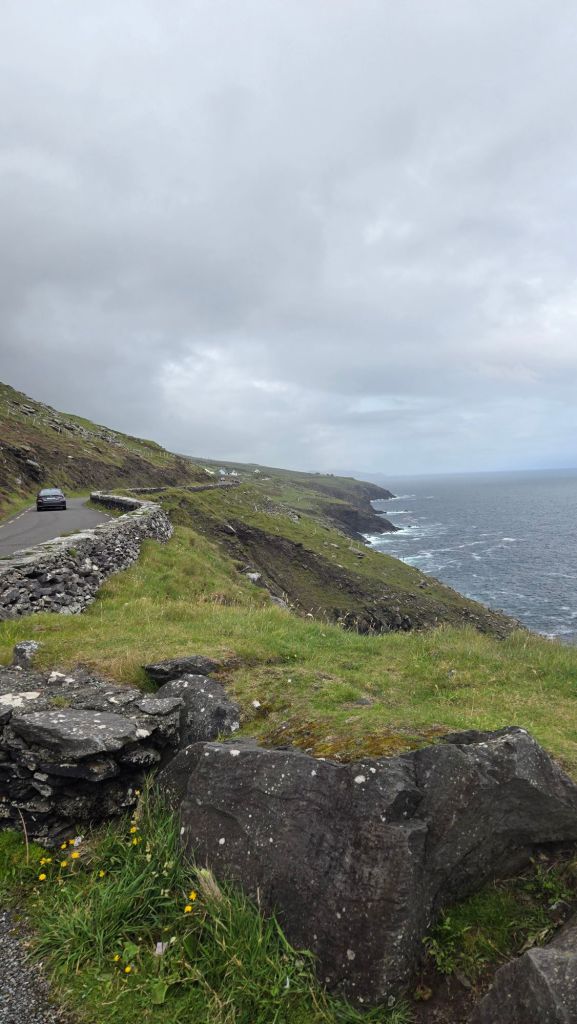
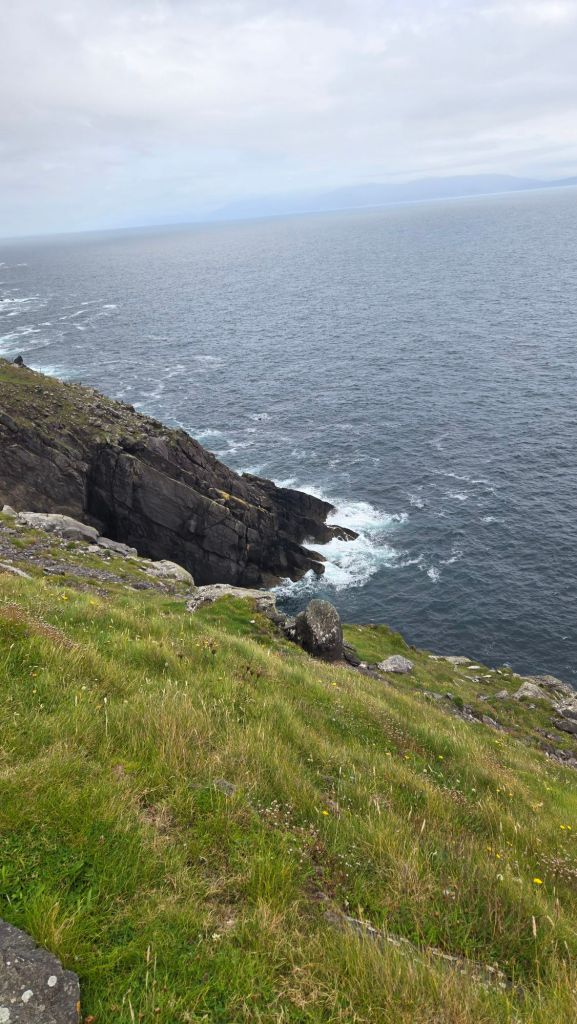

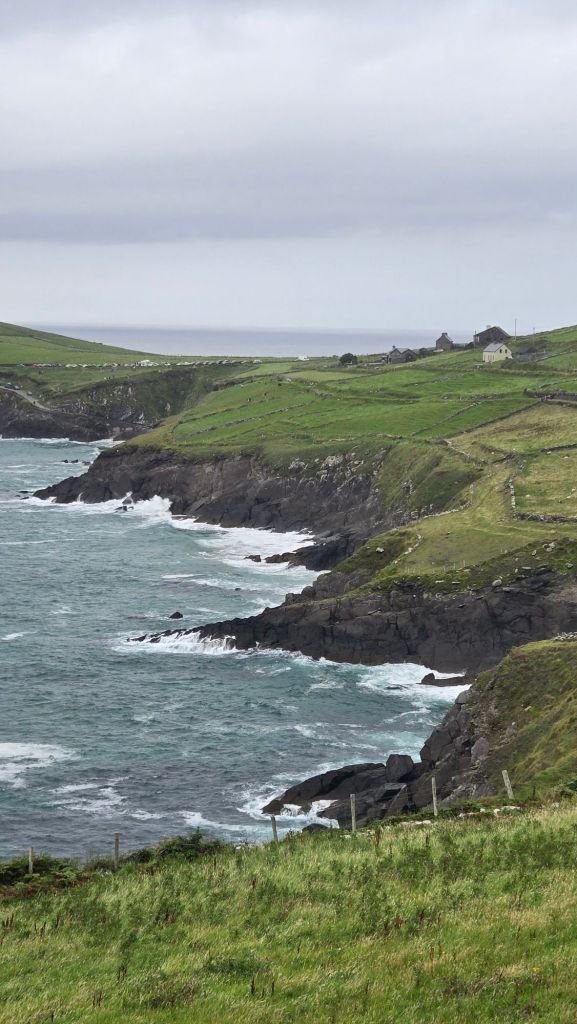

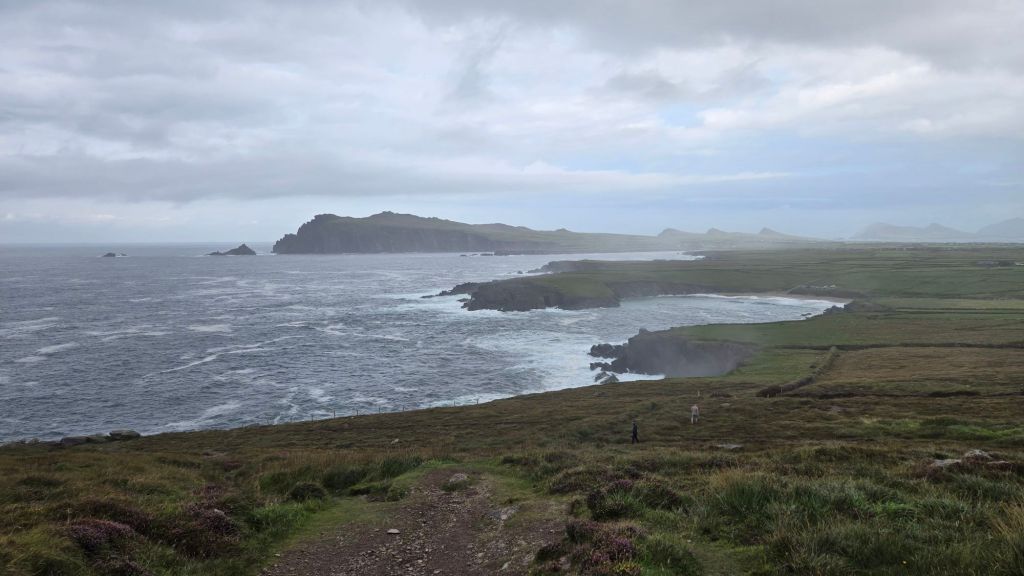


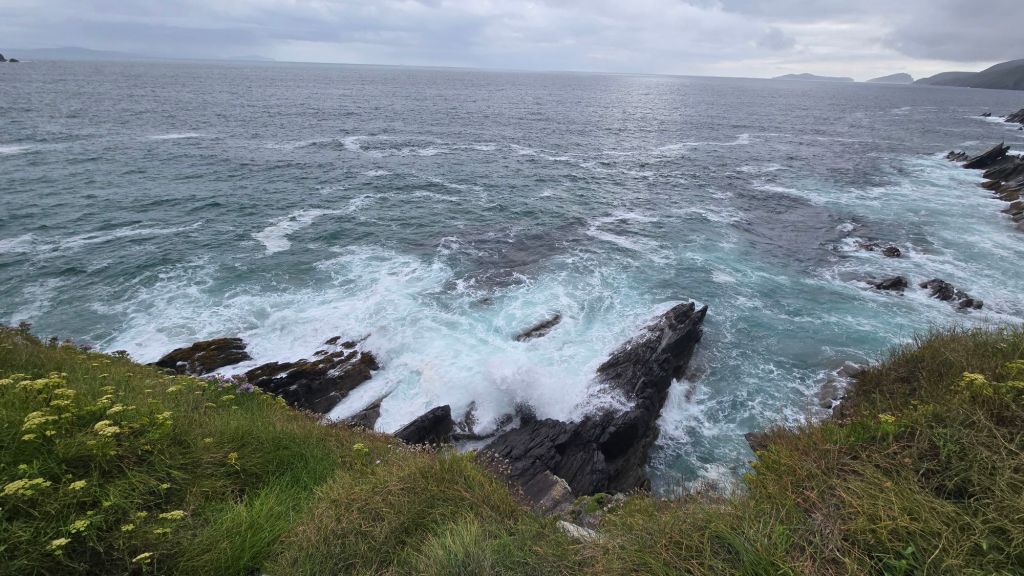
A rainy day in Dingle, but great scenic views around the peninsula.
This area is the setting for several movies, including Star Wars’ Return of the Jedi.
Talking about bars and pubs, of course.
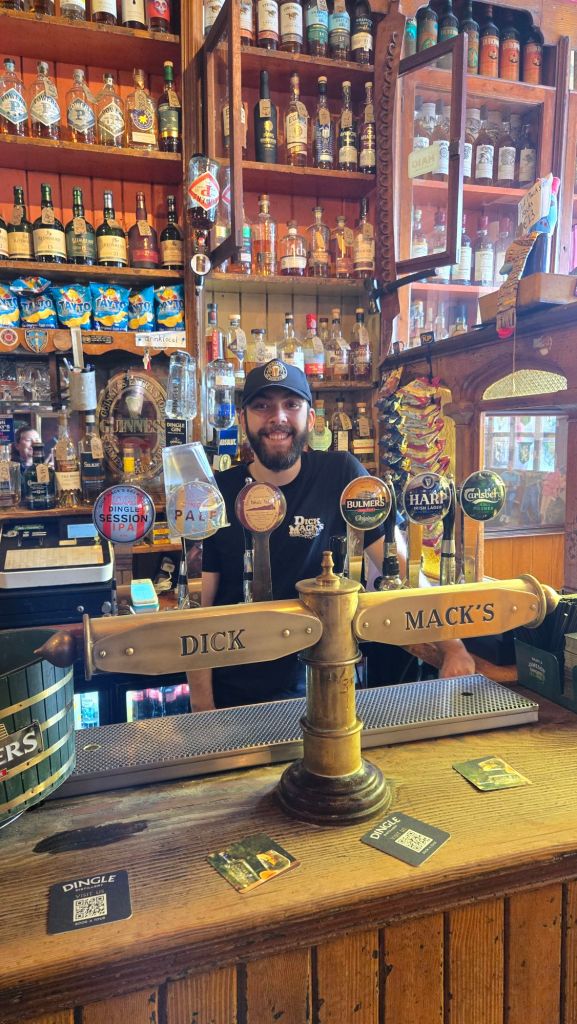
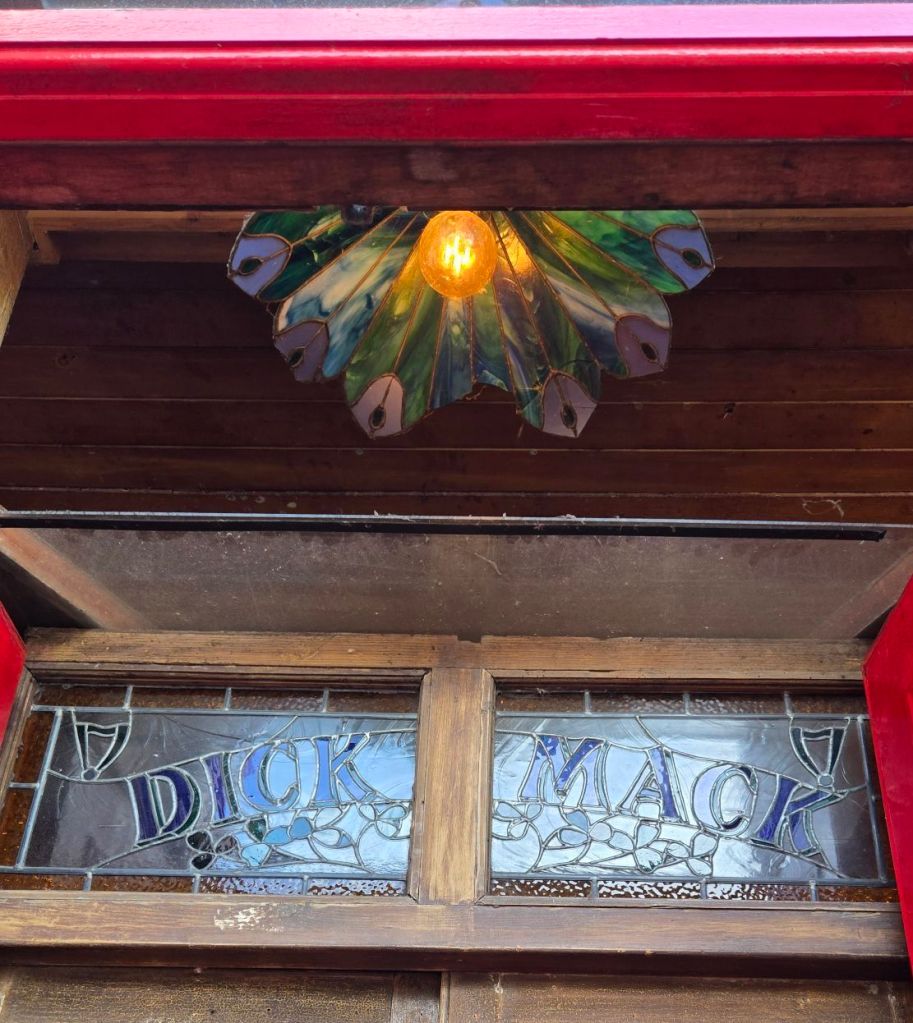
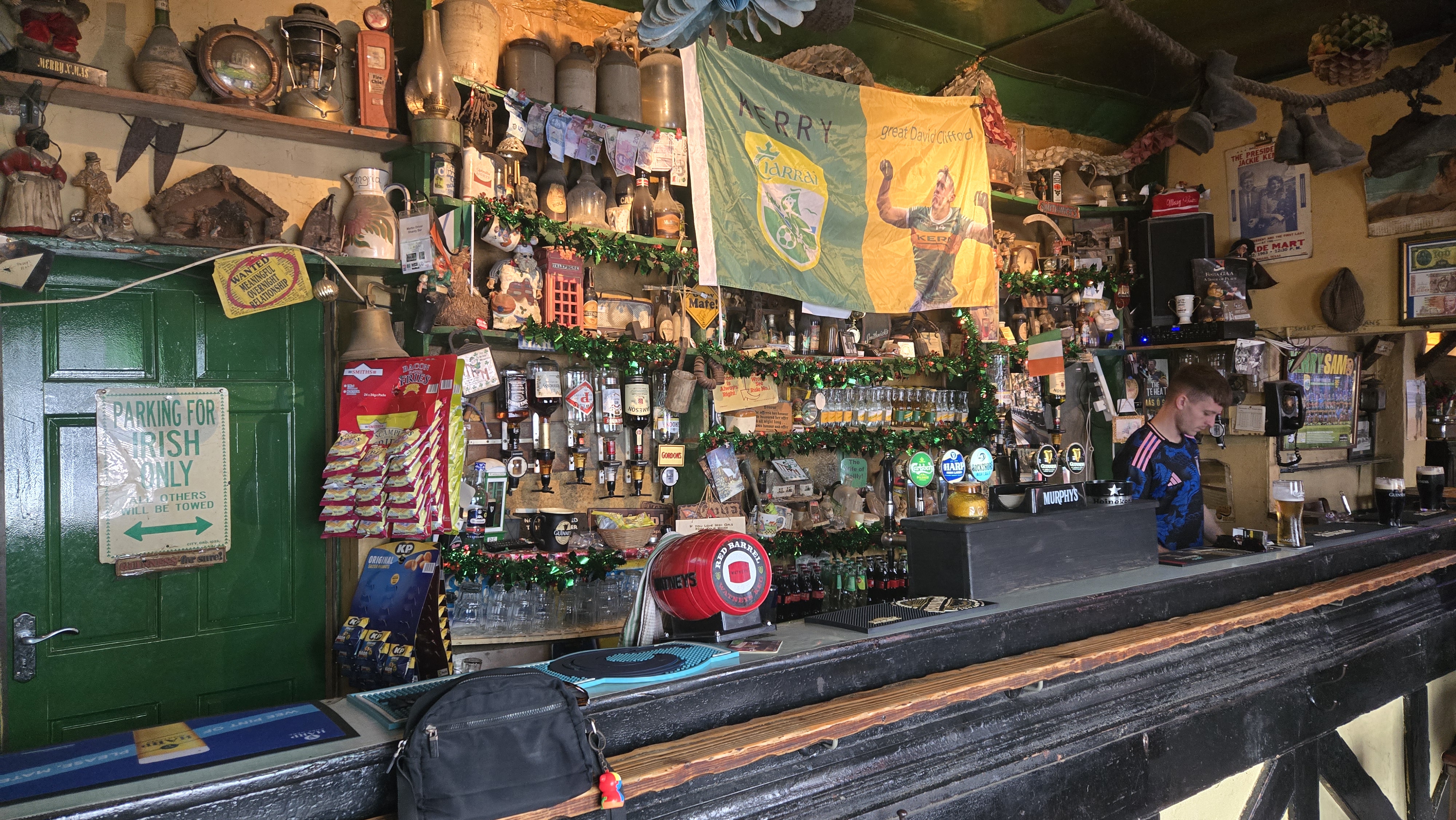
The ocean harbor town of Dingle on the Dingle Peninsula in Co. Kerry boasts the oldest bar in Ireland, although there seem to be differing opinions on that. Open the doors to Dick Mack’s and walk into a small pub, the bar on one side, which is well stocked with whiskey and beer. Sit at the bar or sit on the other side at the counter of the leather shop. So have a drink and watch while they make a belt or pair of wellies for you.


Paidi O Se was a Gaelic football player. This is his bar, so much memorabilia here and not enough time to take it all in. One tidbit is that Dolly Parton stopped here and did an impromptu performance.


With all this practice, we thought we figured out the difference between a pub and a bar. Pubs usually have food and bars don’t. That doesn’t always hold true, in Kruger’s but it general seems to holds true.
More of the stunning scenic peninsula views to come in the next post.
Killarney is a town in a lake area in Kerry. It is on the Ring of Kerry road, has a lot of hotels, a nice downtown area with shops, restaurants and a national park.
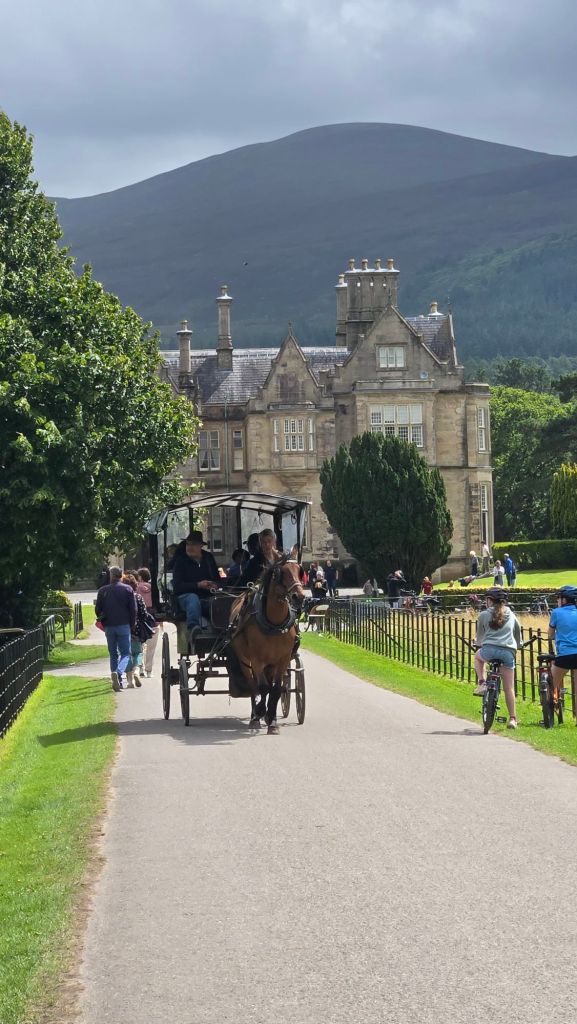
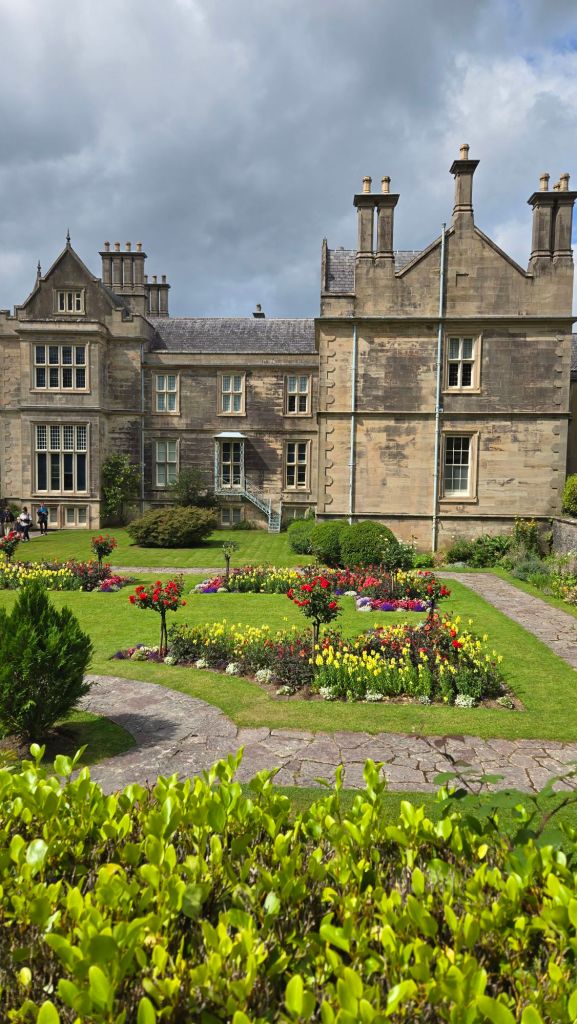

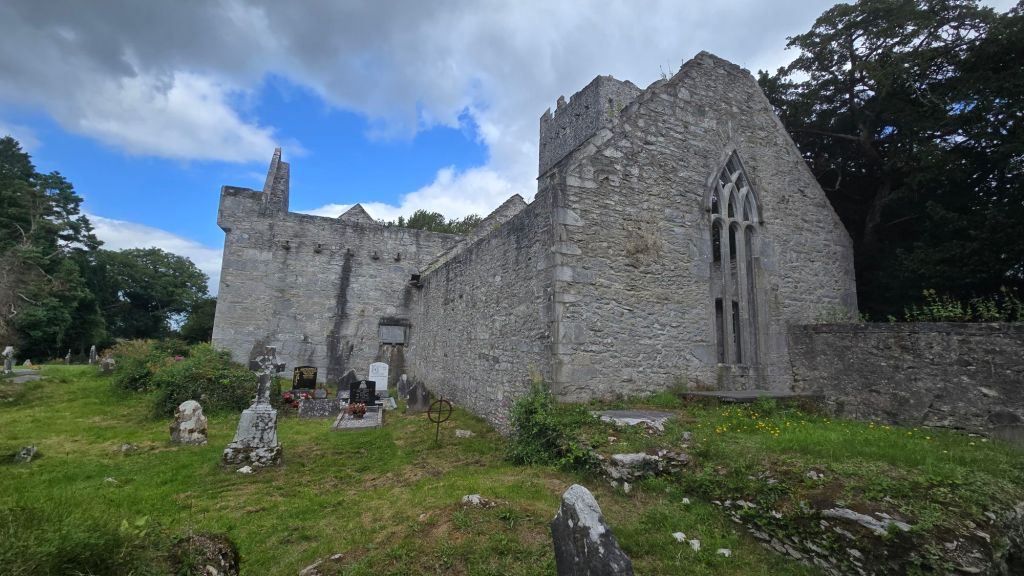


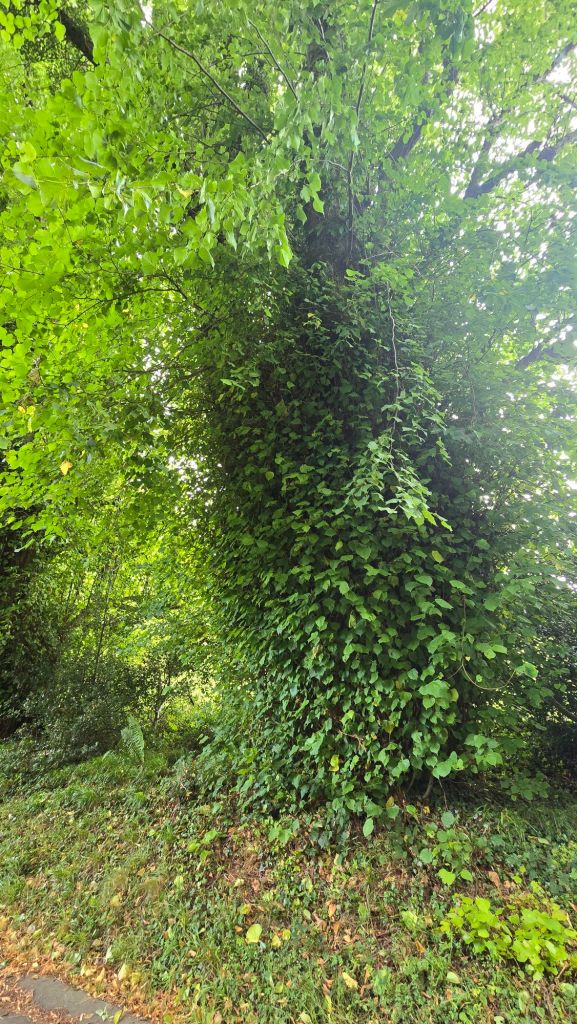


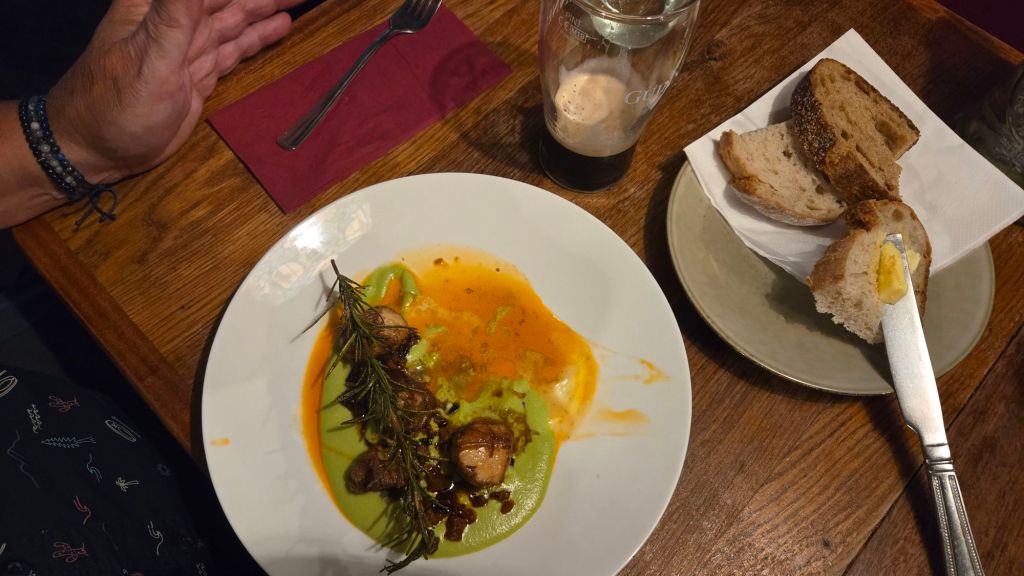
Our born-and-raised Irish tour guide friend has been showing us around her childhood home in County Kerry. In addition to the great personal tour, a theme that stands out is the large number of towns and villages that start with Bally. So many, my curiosity was peeked and with a little research I’ve learned that Bally derives from baile na which means “place of” and simular to home, settlement, or town. There are over 5,000 places that start with Bally in Ireland. With that in mind, here is a little about the first few Bally’s we have visited and we are just getting started!
Ballyduff where our good friend is from and were they have a family fun farm were we are staying. We were fortunate enough to get in on an impromptu family gathering, when her brothers and a couple of sisters, plus family showed up to help with a small teardown project. After the task was finished it was tea and sweets around the old family dining table.
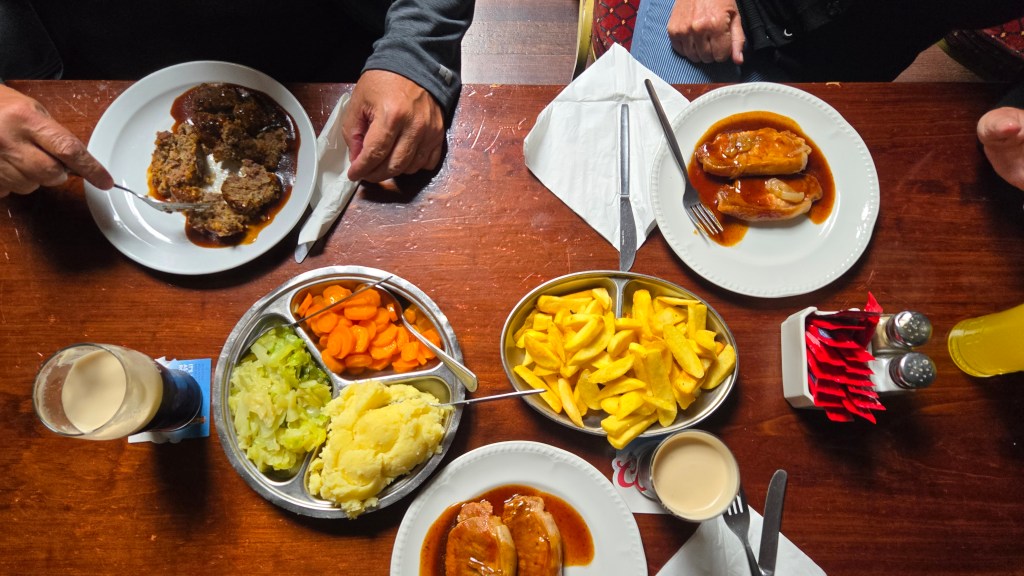

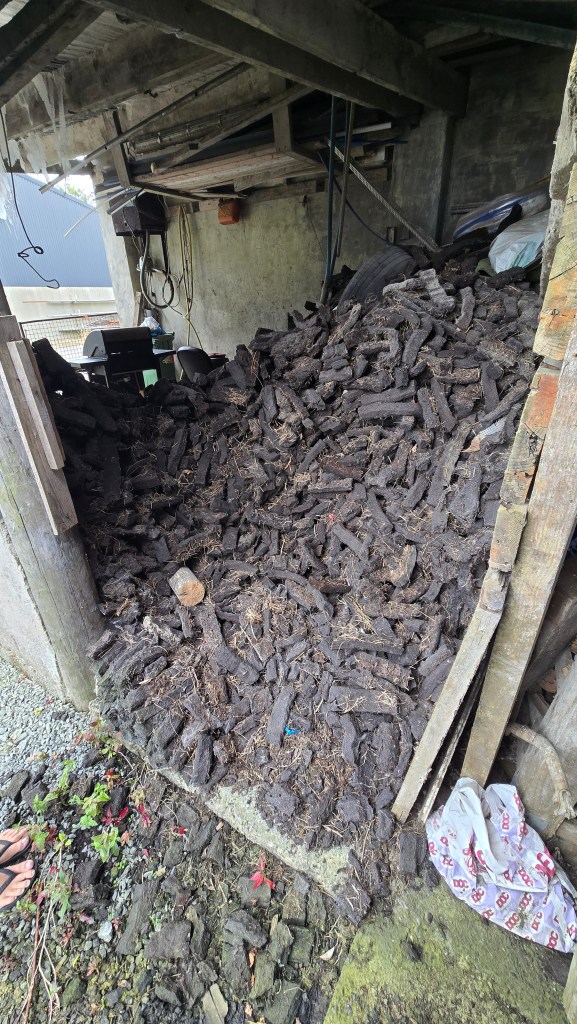
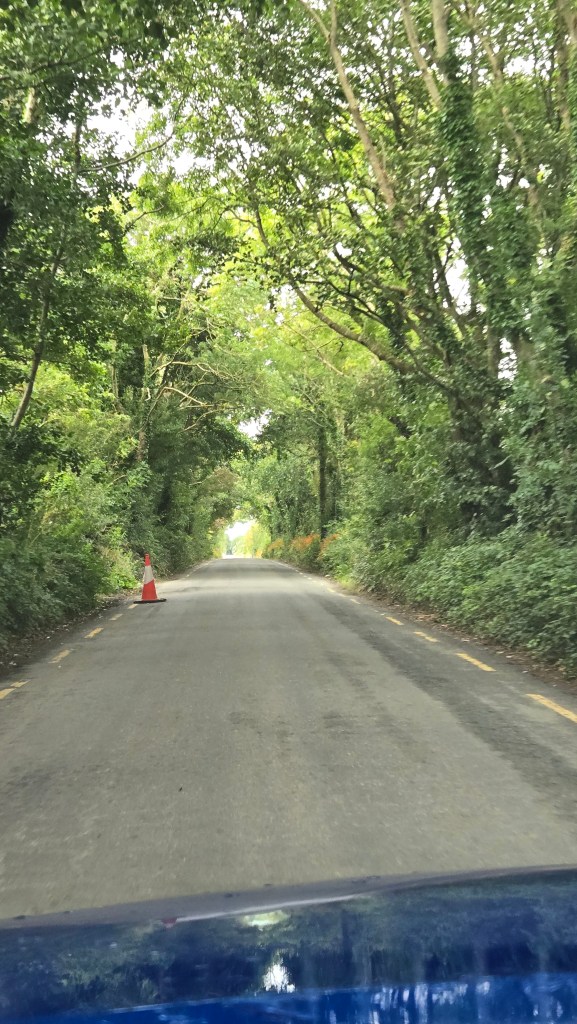

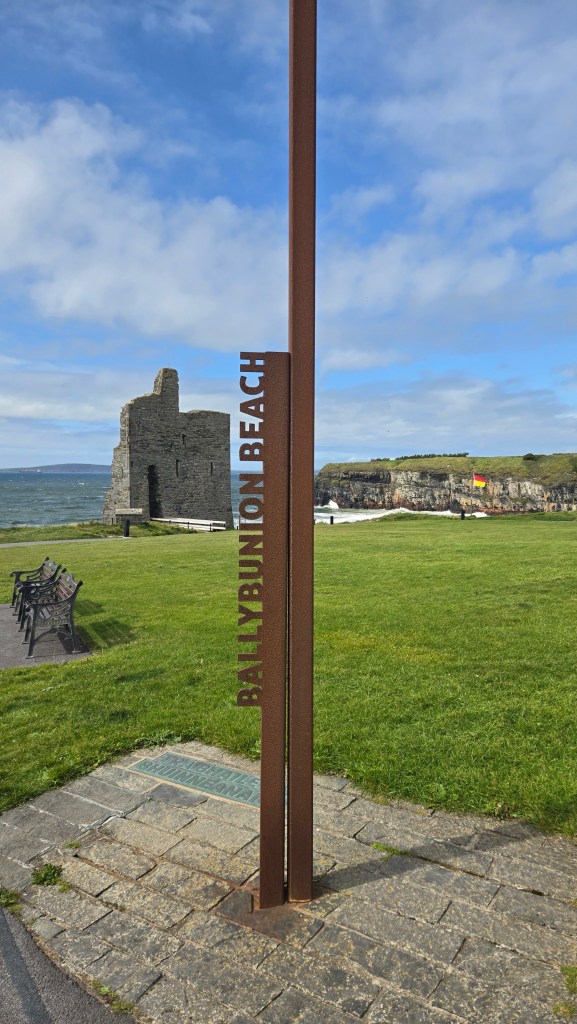
Ballybunion is a seaside town with beautiful beaches, cliffs, and the remains of a castle from 1200. There is a walking path along the top of the cliffs that weaves down to the sandy beaches, both paved and through the seagrass.
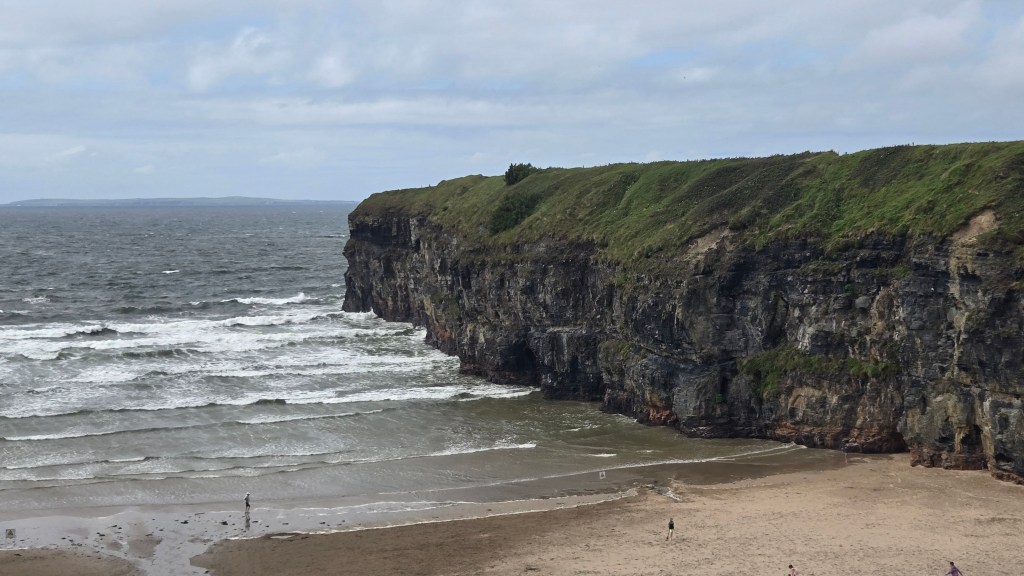

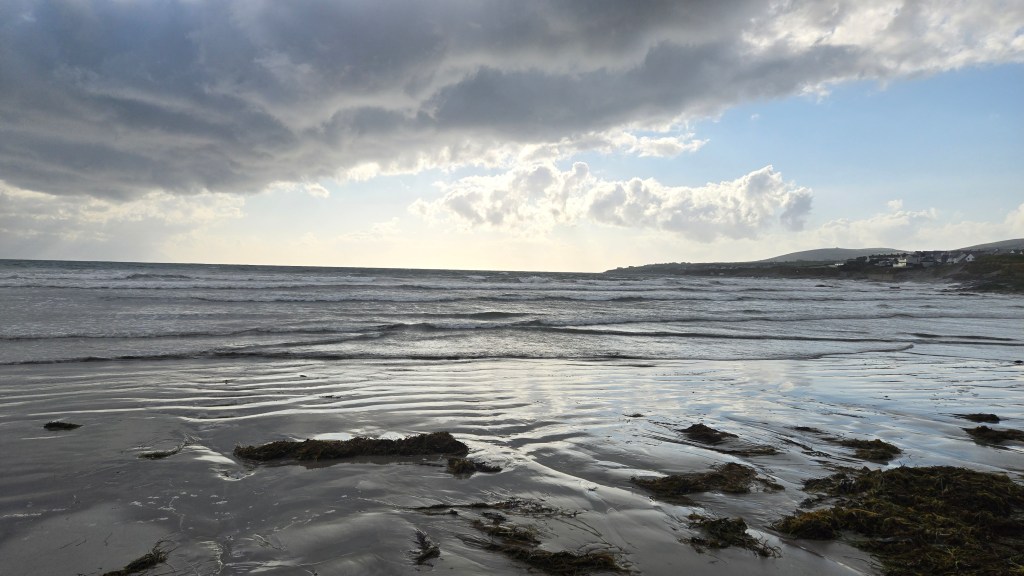
Ballyheigue, another seaside town with long beaches and small islands that danced in the clouds. At both beaches swimmers were in the water, hardy souls at 16 degrees C and they appeared to be enjoying it!

Ballyfinnane a very small village consisting of a small school and the local pub, The Shanty Bar. Great bartender and dive bar decor. Nice stop for a Powers Irish Whiskey, the best-selling in Ireland.
With my anticipation of traveling to Ireland, I rechecked my DNA results again today to see if any Irish is in the mix; it goes up and down, always very little, if it is there at all. Today is no different; the eastern part of Ireland is lightly shaded in. This time it goes into Northern Ireland! Which may have been mapped out before, but I may not have been looking so closely. No matter how much, it is with great wonder to be off again, with Ireland as the destination.

When we tell people we are going to Ireland, we hear it’s the place they’ve always wanted to go, it’s on their bucket list, going to kiss the Blarney Stone, and of course – can you pack me in your suitcase, or finally, you will love it (from their own experience). That’s a lot of high expectations!
And with all that anticipation and this blessing, how could travels unravel?
May the road rise to meet you
May the wind be always at your back
May the sun shine warm upon your face
And rains fall soft upon your fields
And until we meet again, may God hold you in the palm of His hand
In Okavango Delta, the winter nights are cold, with only “bush babies” otherwise known as hot water bottles as the only heat. The daytime sun is warm relief. Just hope for no breeze.
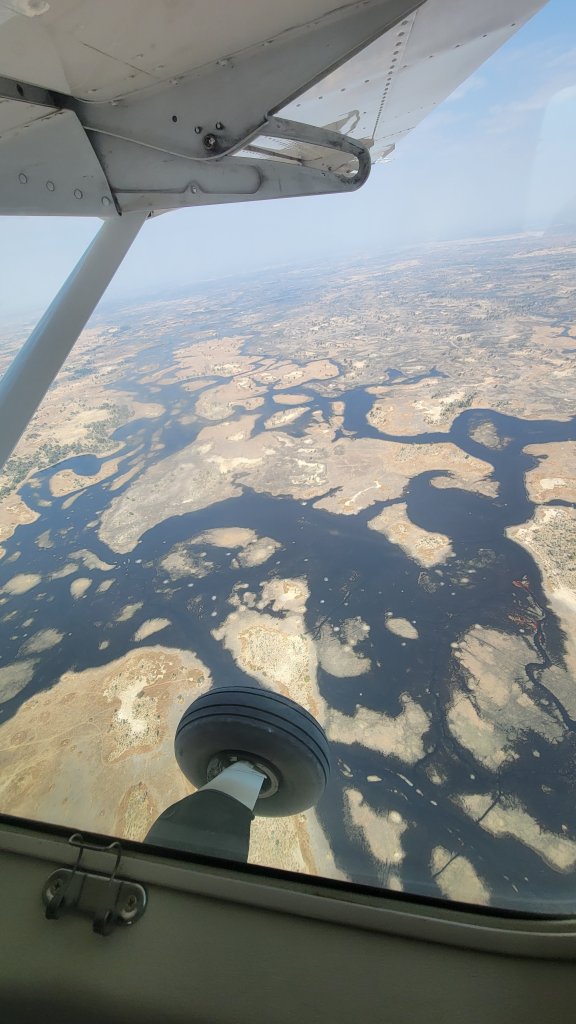
This is a vast inland river system in northern Botswana, which forms a grassy expance. It floods in the rainy season to cover much of the area and dries up so only the river channels remain in the dry season, bringing the animals in for water
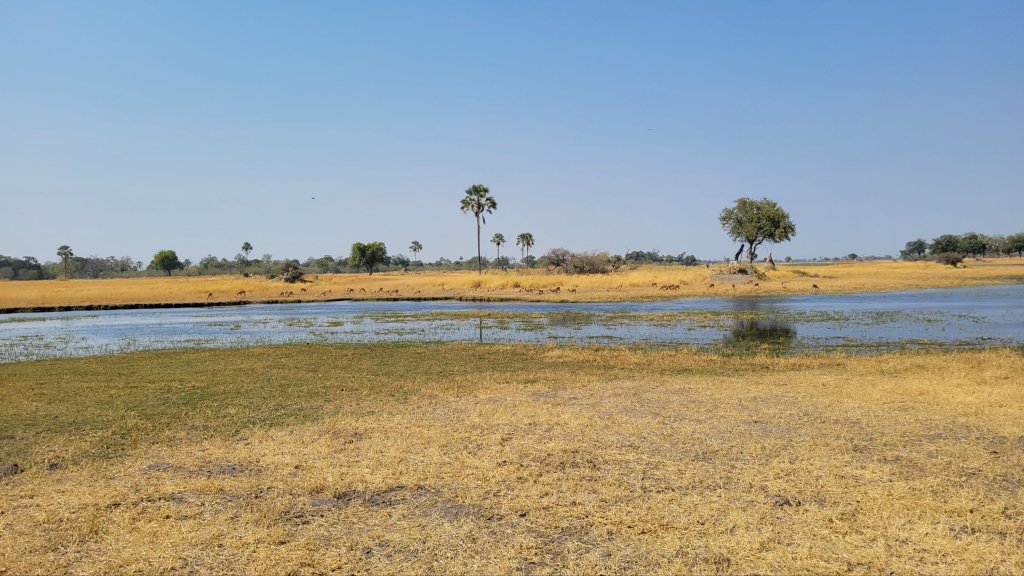

Impala are everywhere. Waterbuck, hippos, elephants, and crocodiles are found in and around the water. Big cats – lions, leopards, and cheetahs – giraffes, elephants, wildebeest, warthogs, and so much more hide out and forage for food in the dry areas.

The camps set aloog the water. The evenings and mornings are lively as the animals come to the water. The nights are busy, as elephants make their way through camp, knocking down trees and grunting. At one point, all the small animals that were bedded down around our tent all got up and rushed away, leaving complete silence until the lions began roaring nearby. Male lions from another area come to fight and kill the young male lions in this area, trying to prove who’s genes will reign. Needless to say, we didn’t sleep much.


My words and photos can’t begin to capture the expanse and rugged beauty of Victoria Falls. The largest falls in the world when accounting for height and width combined. The country of Zambia is to the north with Zimbabwe on the south. The Zambezi river is the border. It comes from a platue where it is wide and then abruptly falls down a squared off wall of rock, disappearing to flow out a narrow cavern carved deep into the rock formation.

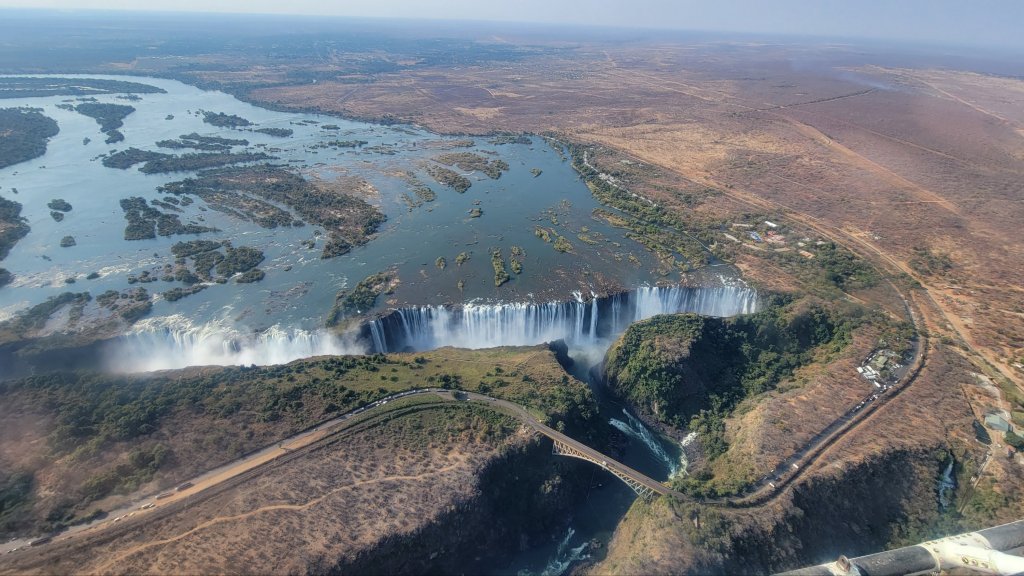
We viewed on foot from the Zimbia side and are told this, midwinter is the best time of the year to view. From now until the rainy season, the water flow decreases. Earlier in the year, there is so much mist the falls aren’t visible. Surely, every season is magnificent.

From Zimbabwe, we viewed from above in a helicopter to see the full expanse.

Mosi-Oa-Tunya National Park is a UNESCO World Heritage Site that is home to the Zambia side of Victoria Falls and is named so because “Mosi-Oa-Tunya” means “the smoke that thunders”. Appropriately named for the load roar and mist that can be seen from far away.
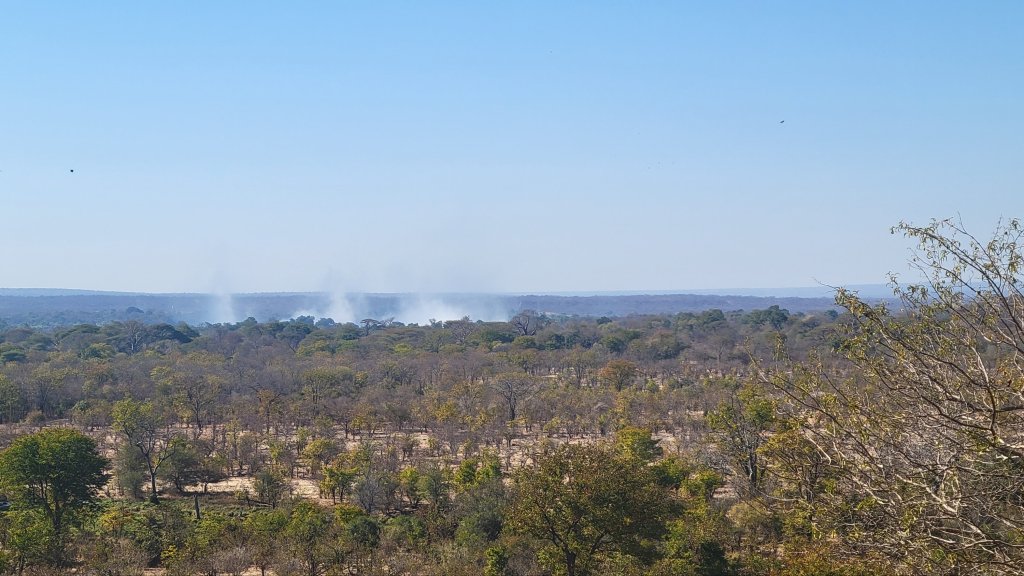

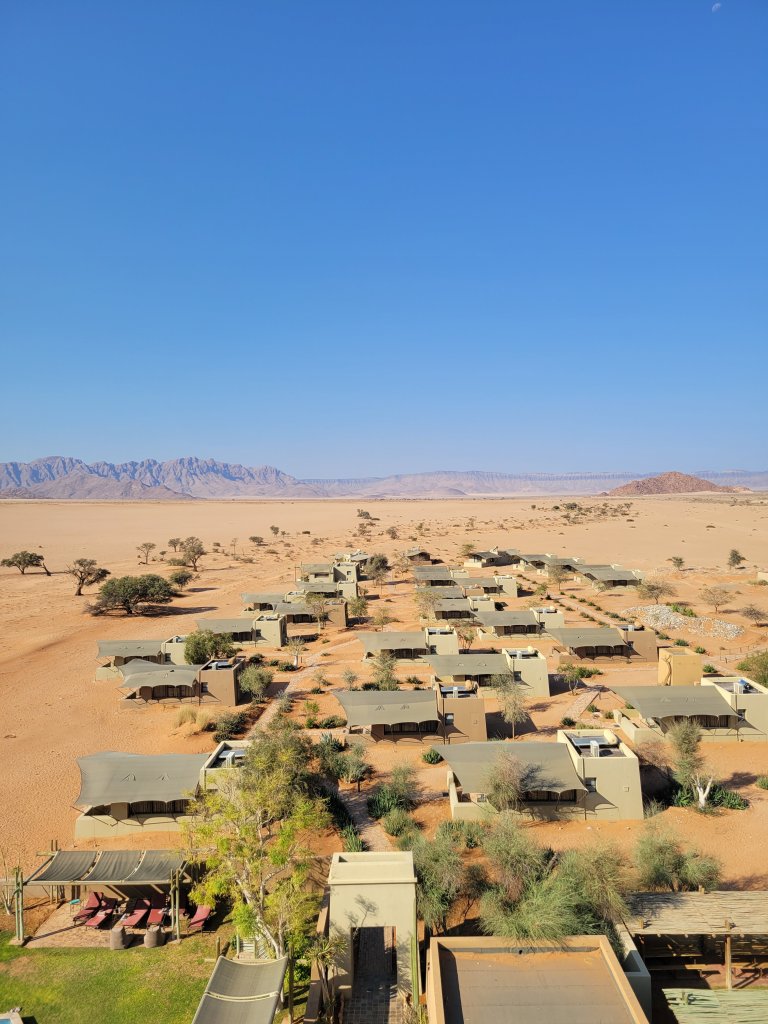
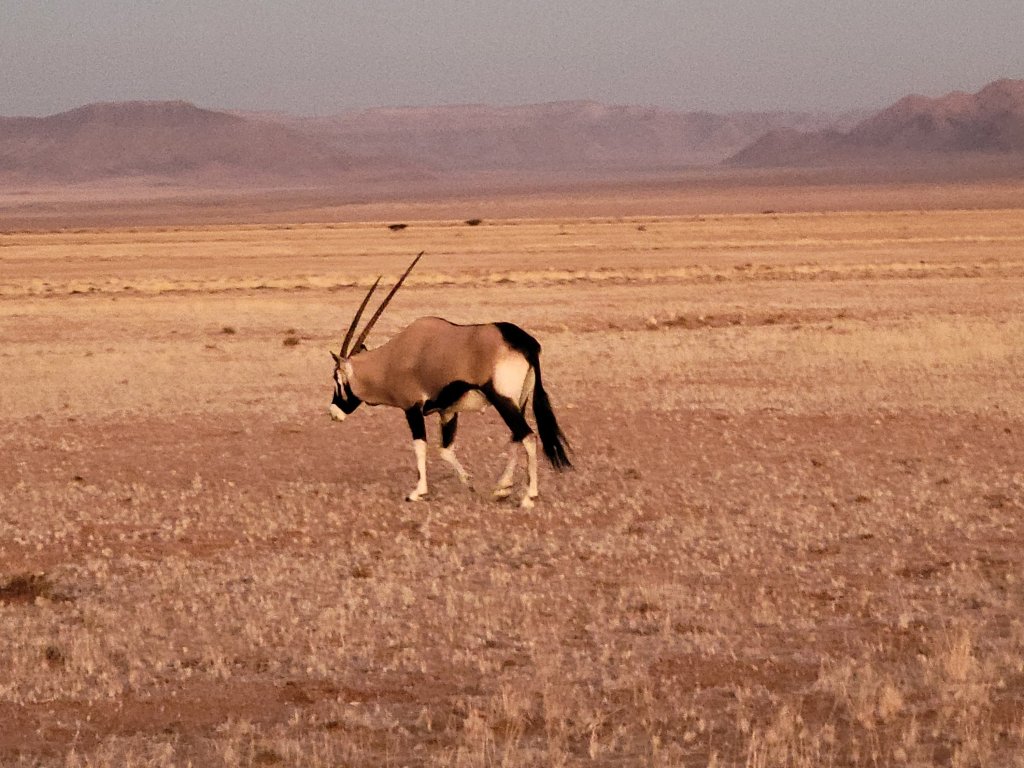
Namibia, on the coast between Angola and South Africa. We flew into Windhoek. which is a very modern European-feeling country. Founded in the late 1800s by Germans, it carries that feel mixed with the desert setting. Namibia seems to be the leader in wildlife conservation and management, with conservatories managed by the native people. Allowing the native people to have control over the area they live in while protecting the plant species and wildlife.
The people we met were proud of their country. We felt their gratitude that we were there to experience Namibia. The cities, towns, and countryside are clean and litter free. The tap water is safe to drink almost everywhere.
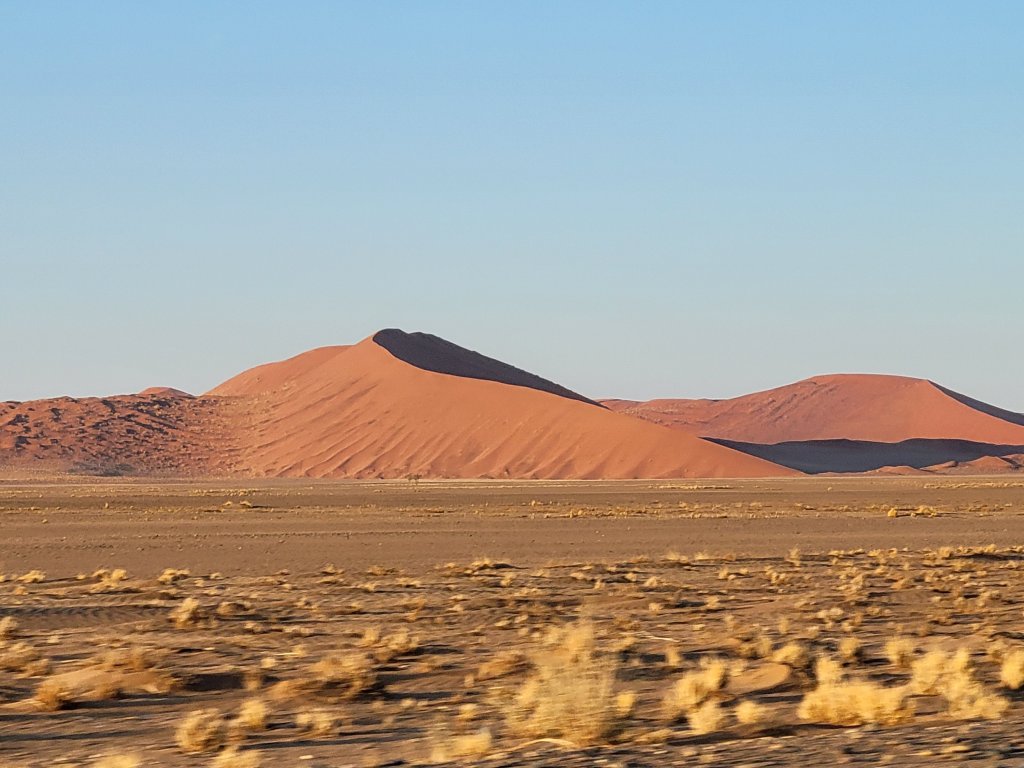
The days are warm; when the sun sets it is chilly. The desert is arid and scenic. The terrain changes continually from sand, clay, and rocky flats, to rocky outcrops, to sand dunes reaching 1200 feet in height. This region receives no to very little rain. Wildlife and plants survive off of fog that rolls on from the ocean.
In the Rehoboth region, a high plateau of central Namibia, the Baster people derived from ‘Bastard’ are descendants of European settlers and indigenous African women. When these people were not accepted by either the Europeans or the Indigenous Africans, they settled in this dry arid region and created a unique self-governing community that still holds strong.



We never thought we would say we are going to Angola, Africa, but here we are. We flew into Luanda and traveled through the city by car. Rush hour was brutal and unpredictable, turning a 30 min trip into two hours. Autos, trucks, motorcycles, public transportation vans, and busses pack the main road. With people walking everywhere; on the road, beside the road, and hanging out on the pedestrian overpasses.

Luanda sets on the west coast of Angola on the South Atlantic Ocean. From there, we flew inland to Lubango, which sets high on the plataue of a mountain range in southwest Angola.
It is winter, the dry season. There are trees and shrubs that are green, but the grass and most of the brush and shrubs are brown. Dust and smoke are in the air, so there is a haze in the air, sometimes more, sometimes less but always there.

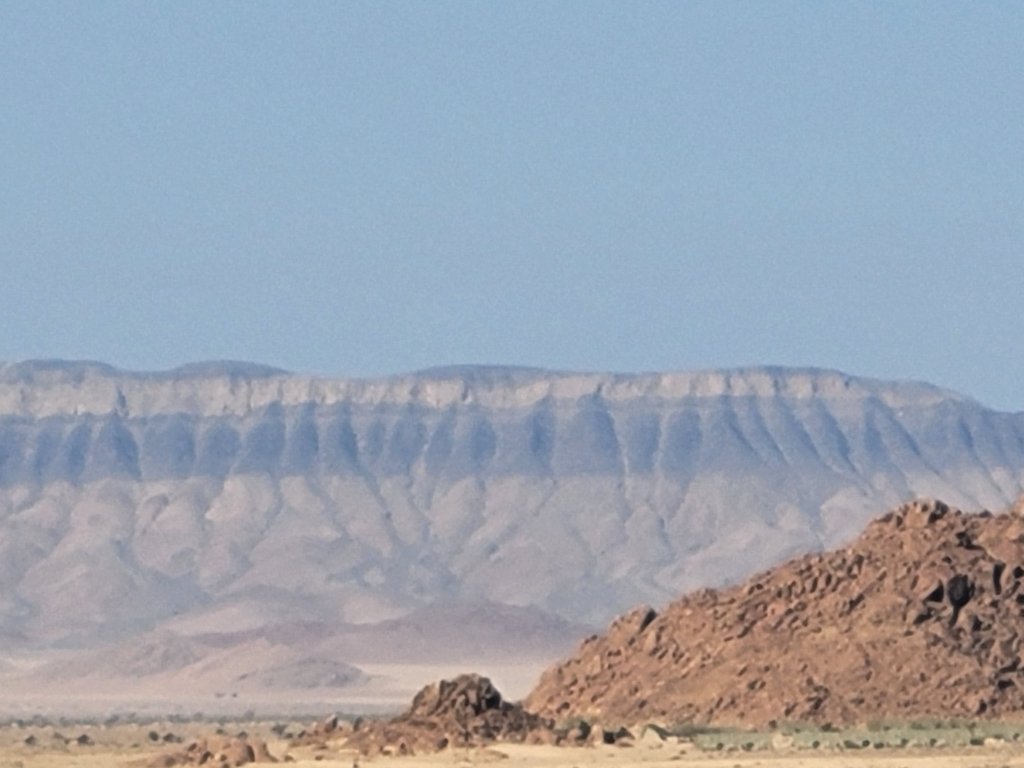
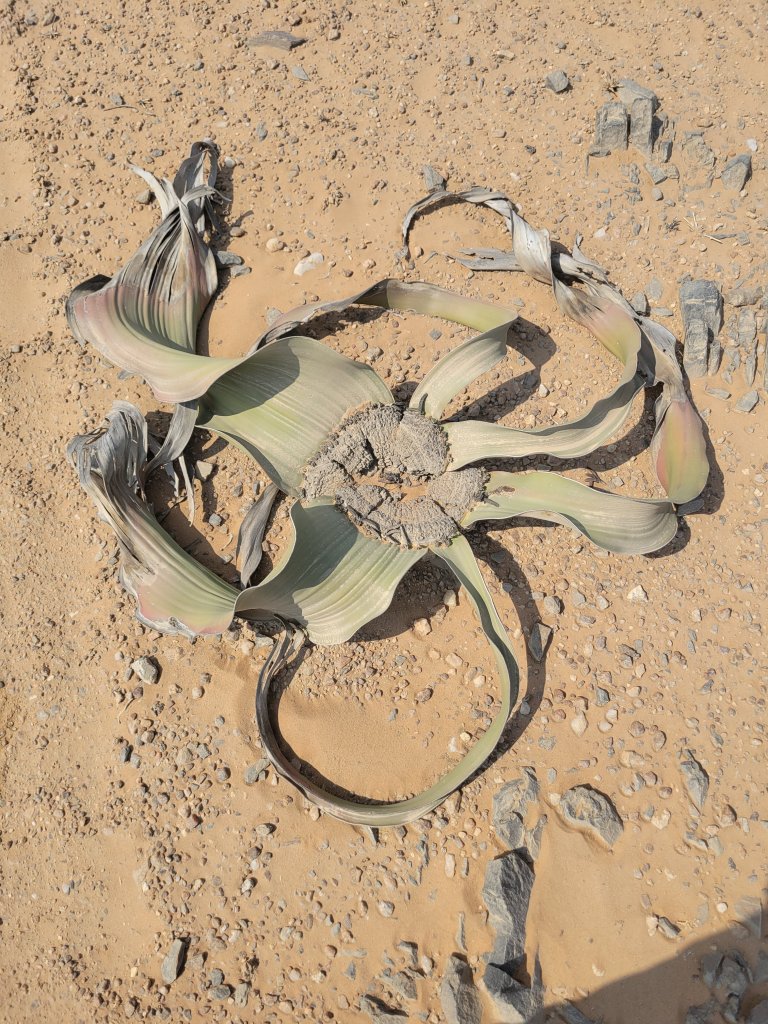
From Lubango, we drove through the mountains to the sea port town of Namibe, where we continued to the Namibe Reserve, which is a vast dessert with little vegetation. We did see trees that looked like an agave that was melted by the heat, or at first we thought blown out tires because of the way the leaves lay.

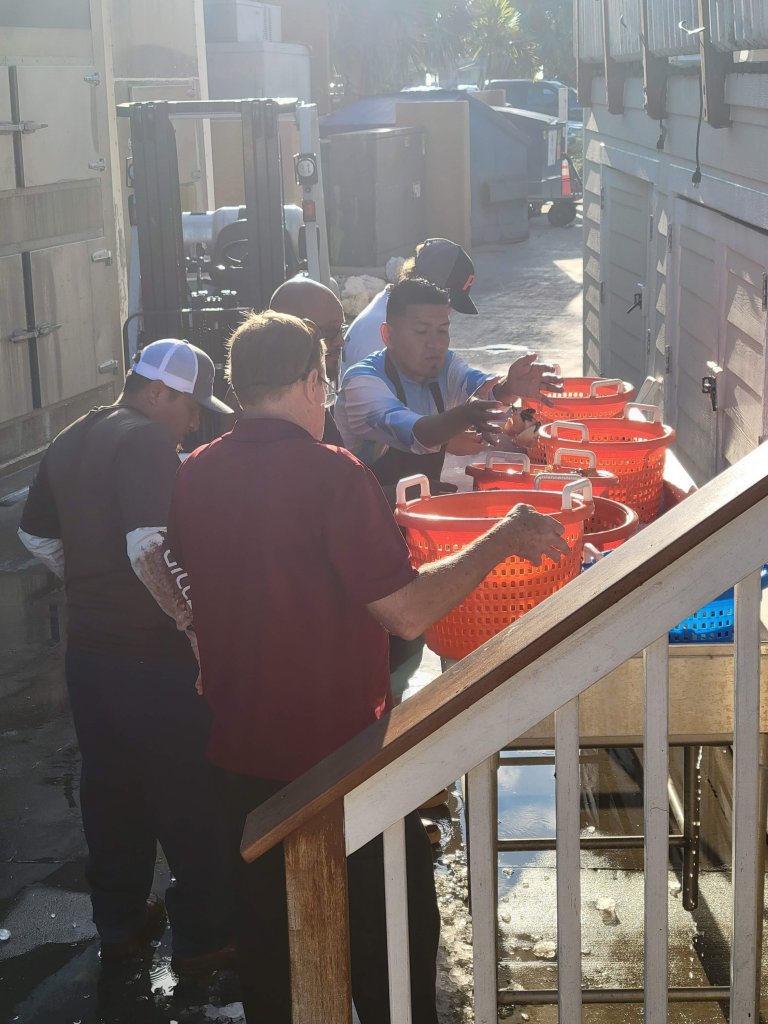
The language is Portuguese and much of the food we ate was Portuguese influenced. By the ocean port, we had a delicious meal of ocean fish and sea food.


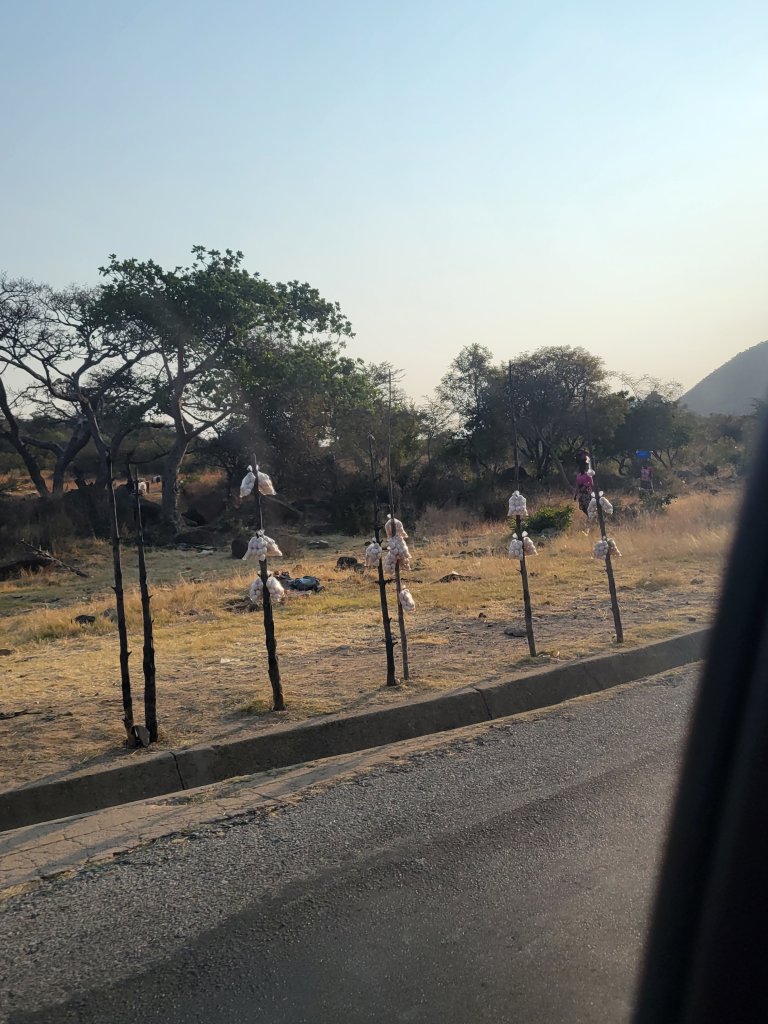

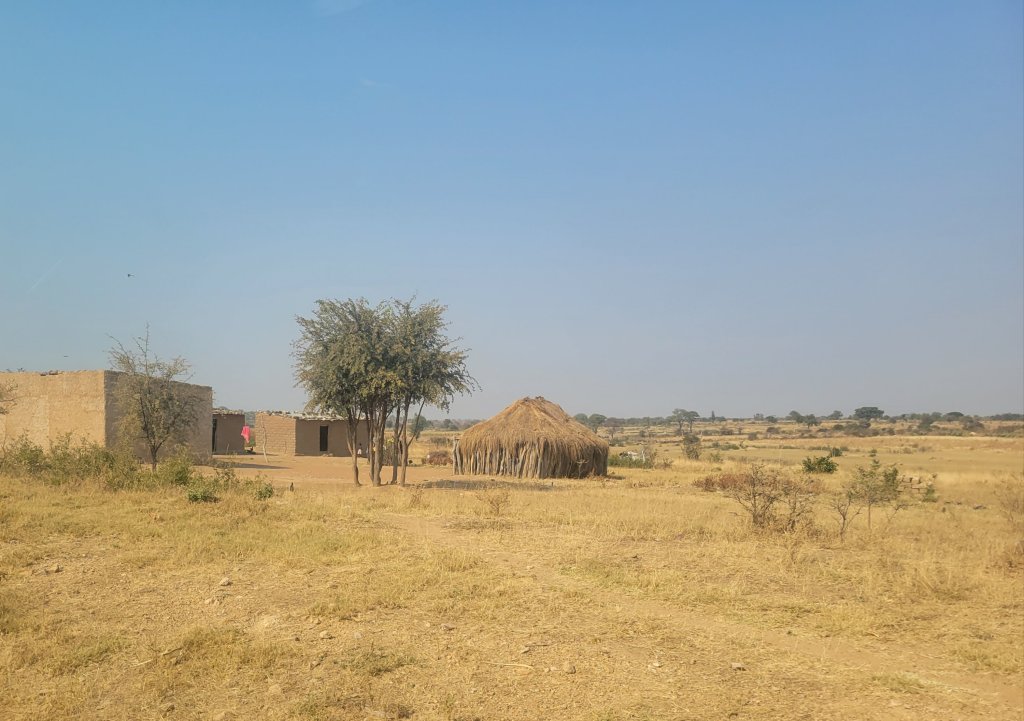

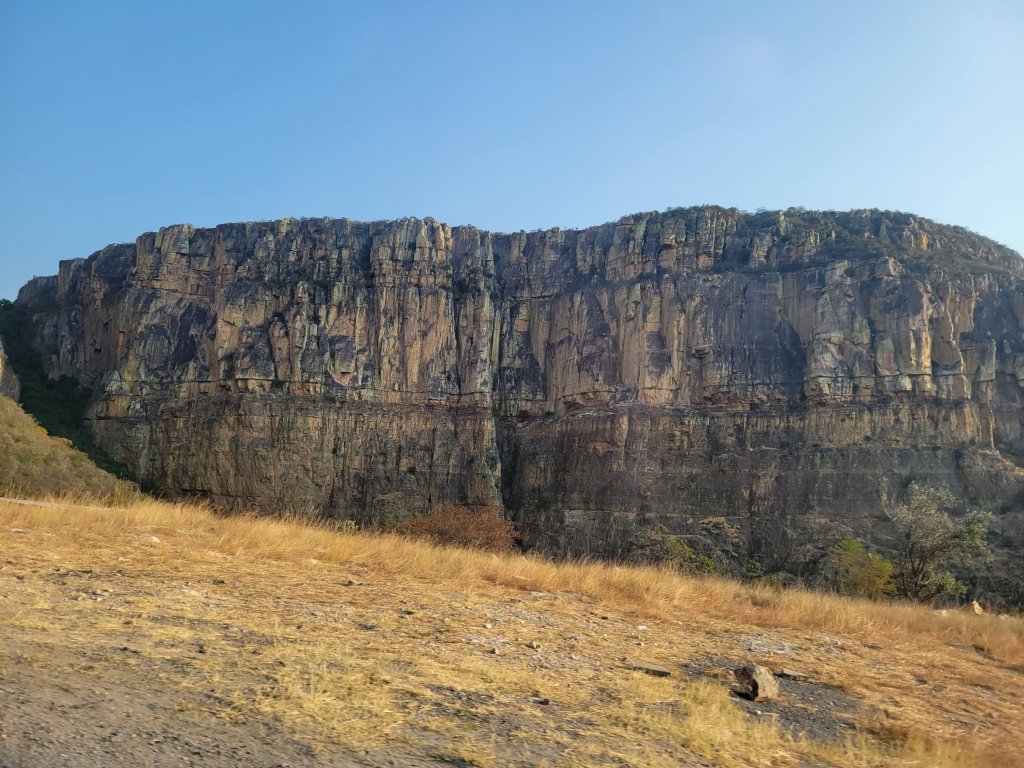
Through the mountain pass.




 Travels Unraveled