We and a whole lot of Kansas State fans showed up in New Orleans! What a party! We had a great time with friends and family.
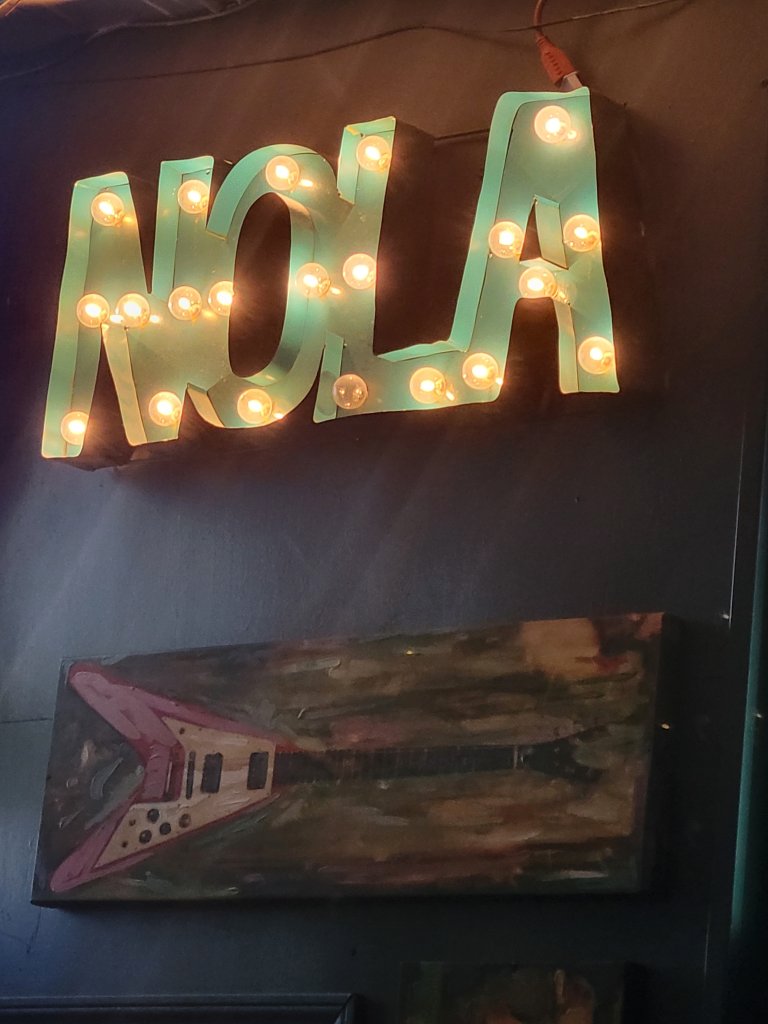


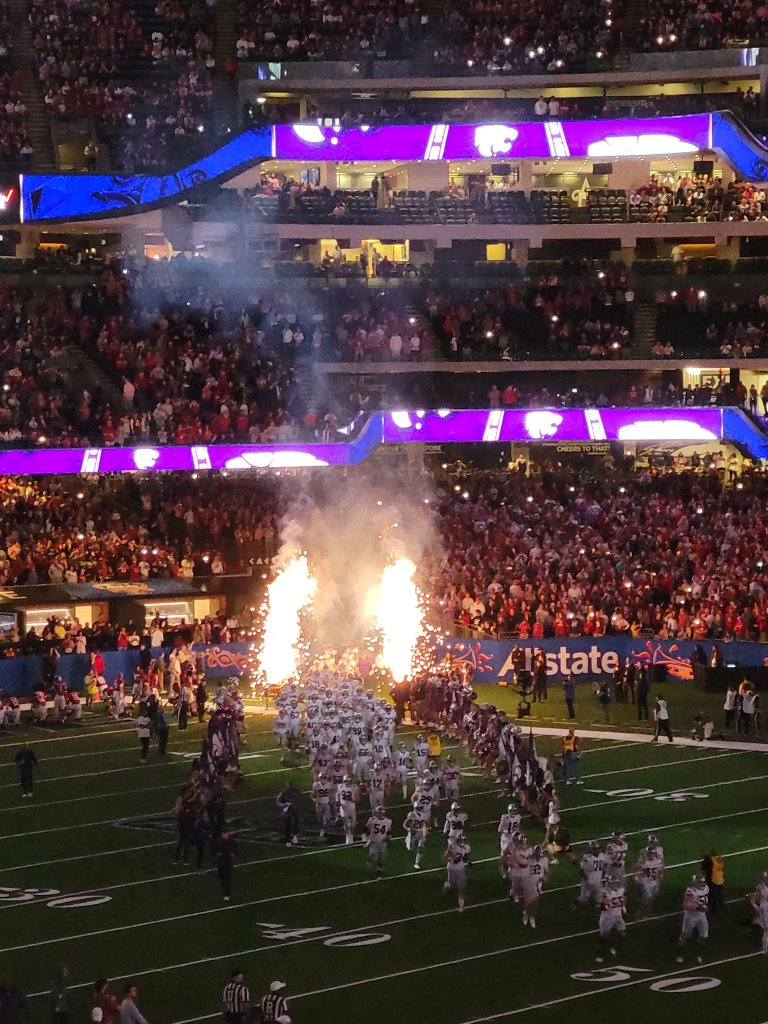
We and a whole lot of Kansas State fans showed up in New Orleans! What a party! We had a great time with friends and family.
We crossed the mouth of the river and landed in Montevideo, Uraguay where it sets at the end of the river at the Atlantic Ocean. We took a high-speed propane-fueled ferry. It was smooth and comfortable. Cheaper than flying, and faster if you take into account the time at the airport, not the lengthy security process and normal-size restrooms.

Montevideo feels very European in its architecture, shopping areas, and culture. And then there is the beef and wine. Lunch consists of a large steak. One orders al a carte and orders extra on the side. Usually a salad or fries and of course the wine. We found many of the usual wines are produced in Uruguay but a wine unique to Uruguay is Tannat which is similar to a cabernet sauvignon.


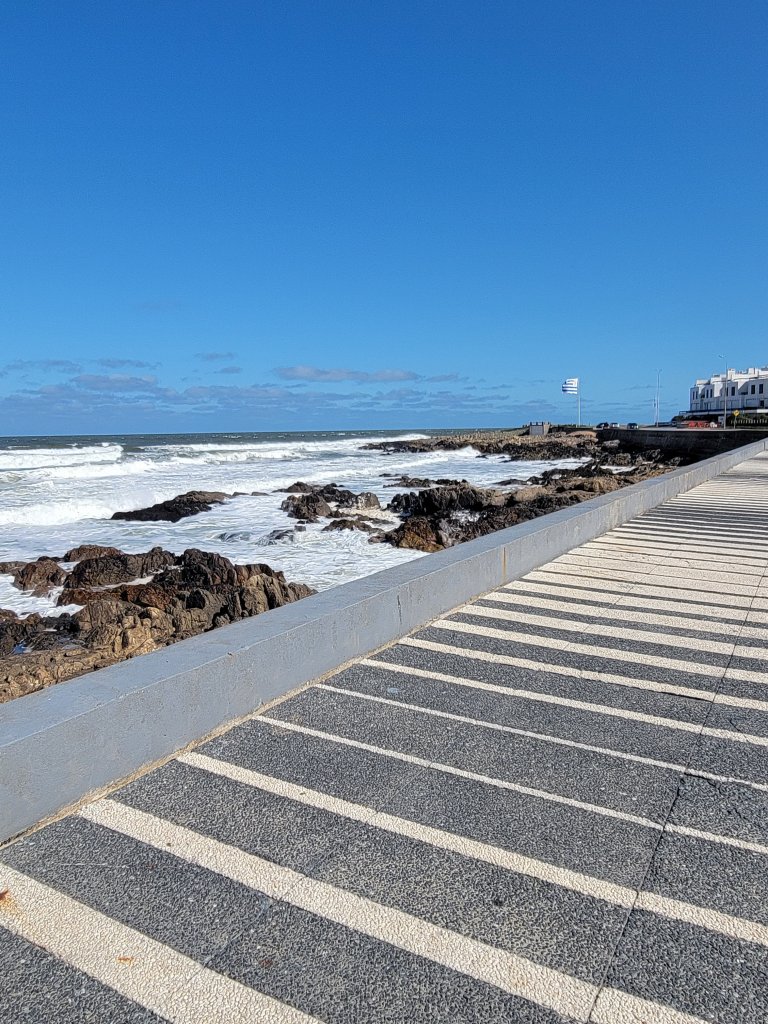
Sandy beaches and people out to enjoy a nice day. Cars were parked along the beach from the streets and passengers pulled out chairs and sat on the sidewalk along the beach. It is the end of winter and everyone wants to be out. Some people braved the beach and a few even took their walk in the water.

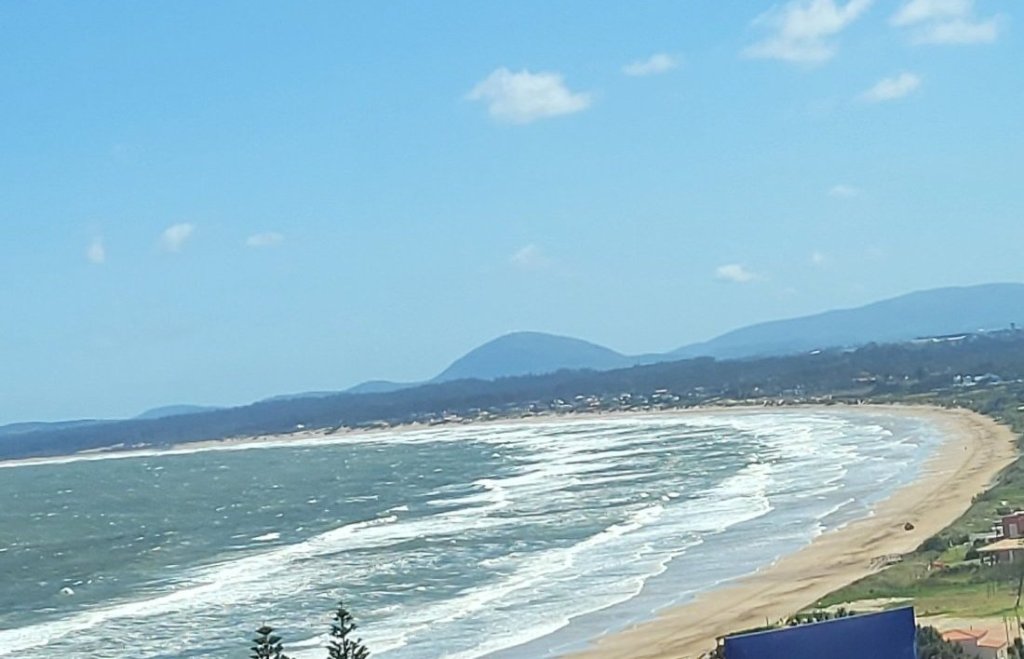
We drove east along the coast to Punta del Este. This is the southernmost point in Uruguay. Many people from m Montevideo have a second place here and spend the weekends here. The ocean is clear and free of the sediment that washes in closer to the river.
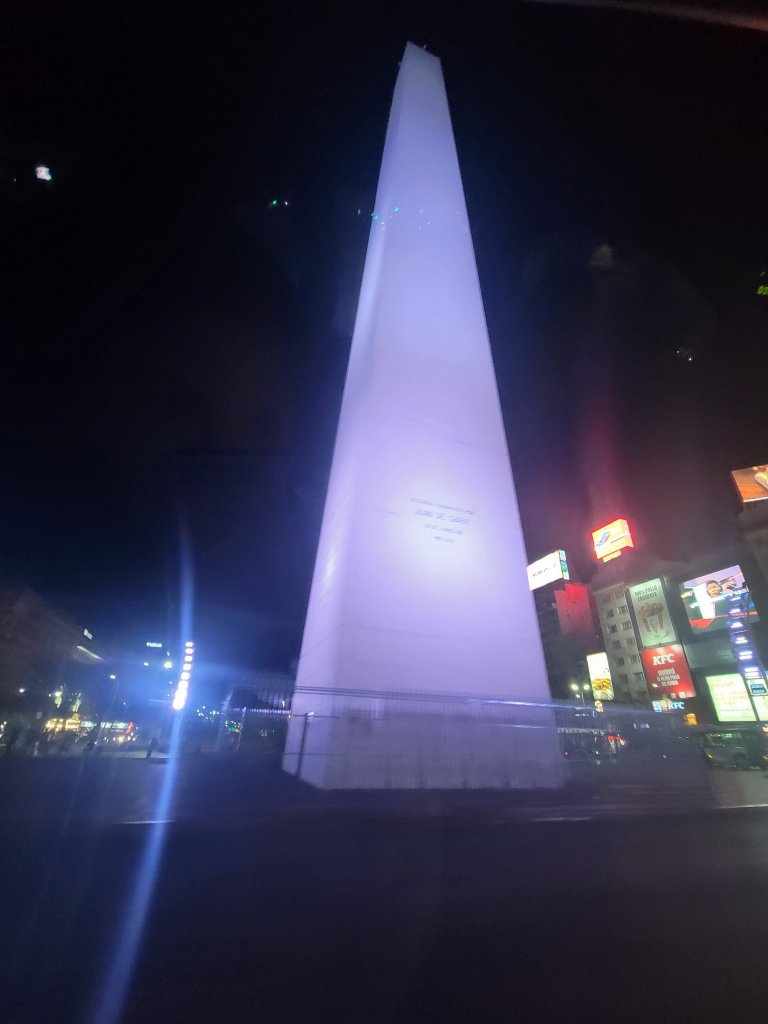
Buenos Aires neighborhoods, even building to building in Buenos Aires feel very much like you are traveling through Europe, with many different influences from European countries. It’s known as the Paris of South America. A portion of the city was demolished to build La Avenida 9 de Julio (July 9 Avenue) to emulate the Champs-Élysées in Paris. The road is many lanes wide, flanked by a frontage road, which has shops and restaurants, the bus stops are in the middle with the subway stations below. At the same time, you will see Portuguese, Italian, Spanish and Austrian influences in the architecture, culture, and food and there is even an area that feels like the colorful area Bo-Kaap of Cape Town, South Africa,
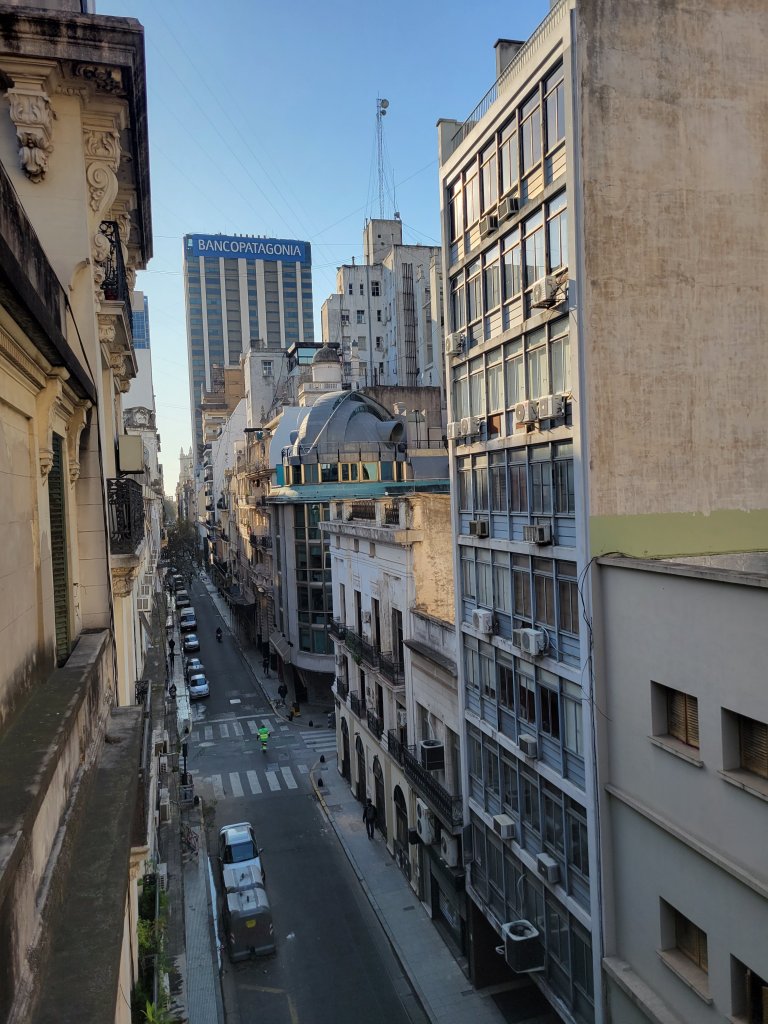
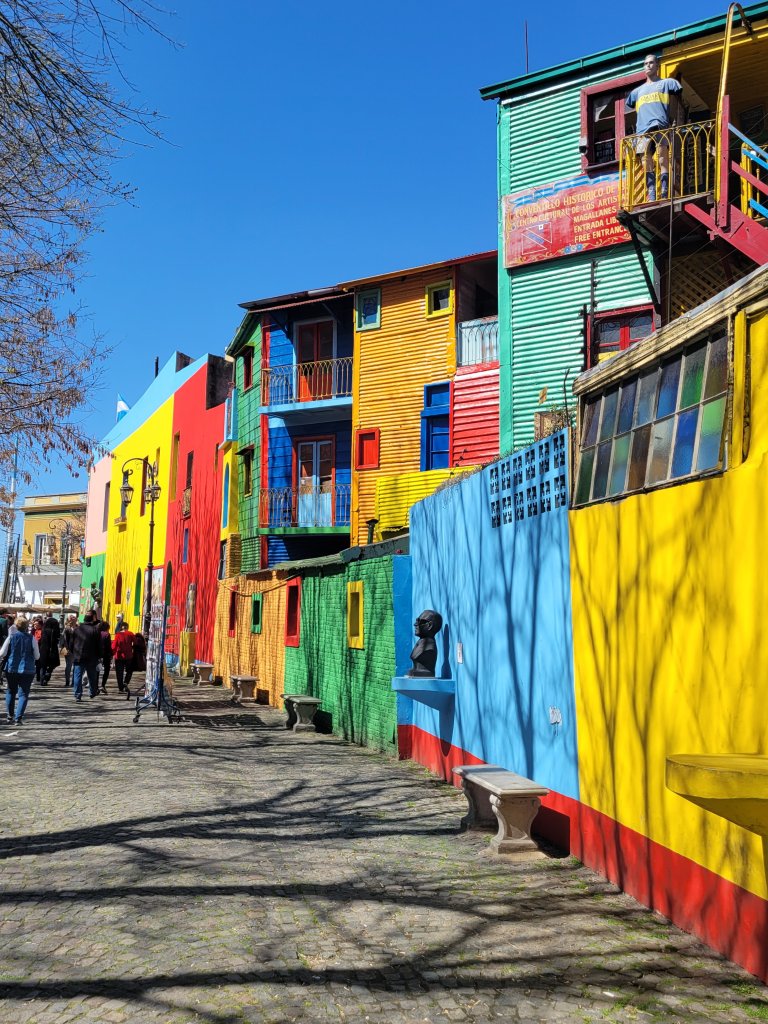

In the late 1800’s extremely wealthy land owners built up an area of mansions and palaces. During the depression and then again during WWII families lost their wealth and many of the mansions were sold to other countries to house their embassies. A lot of countries, currently 84, have an embassy in the aristocratic area, and in turn, the extravagant homes are well preserved. The area is still a beautiful showcase of the wealth that was there from agriculture. Some ranch/farms were up to 1 million acres and the owners lived here.

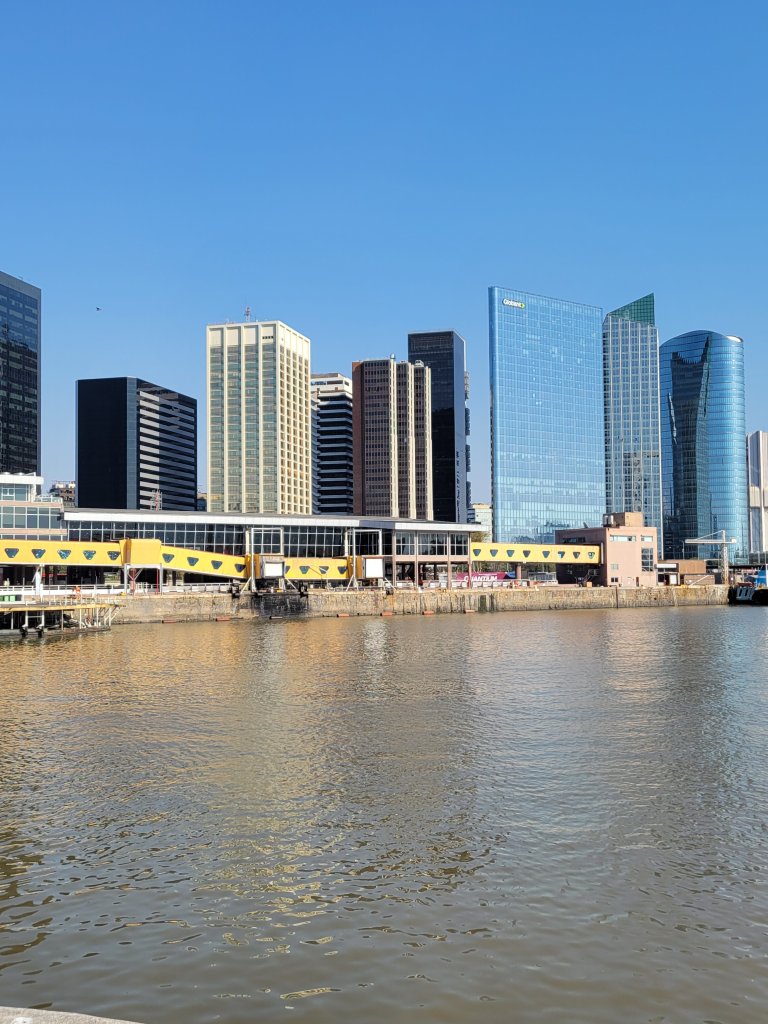
Oh and the city is built on a huge river mouth which opens wide and flows into the Atlantic Ocean but you really wouldn’t know it. When a highway was built through the city the rubble was used to build a barrier wall in the river. It has naturalized with trees and plants but it blocks the city from the river.
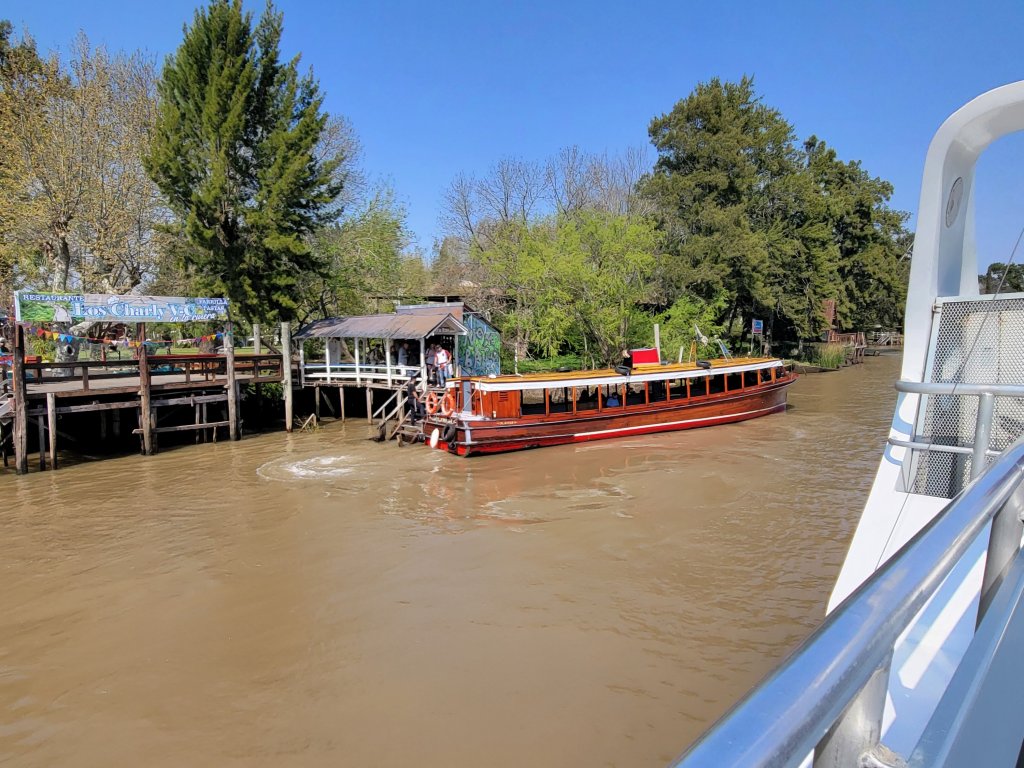
We took a boat tour of the Rio de la Plata delta, which is one of the widest in the world. The homes that are built along the water trails are only accessible by boat. The house are known by name not by an address. There are 24 public schools in the delta and children ride the water ferries to and from school. There is a grocery boat that makes the rounds and even medical boats with doctors and dentists. Everything that is needed to live is delivered by boat. There is electricity but drinking water is delivered.

And empanadas and beer and so much more.
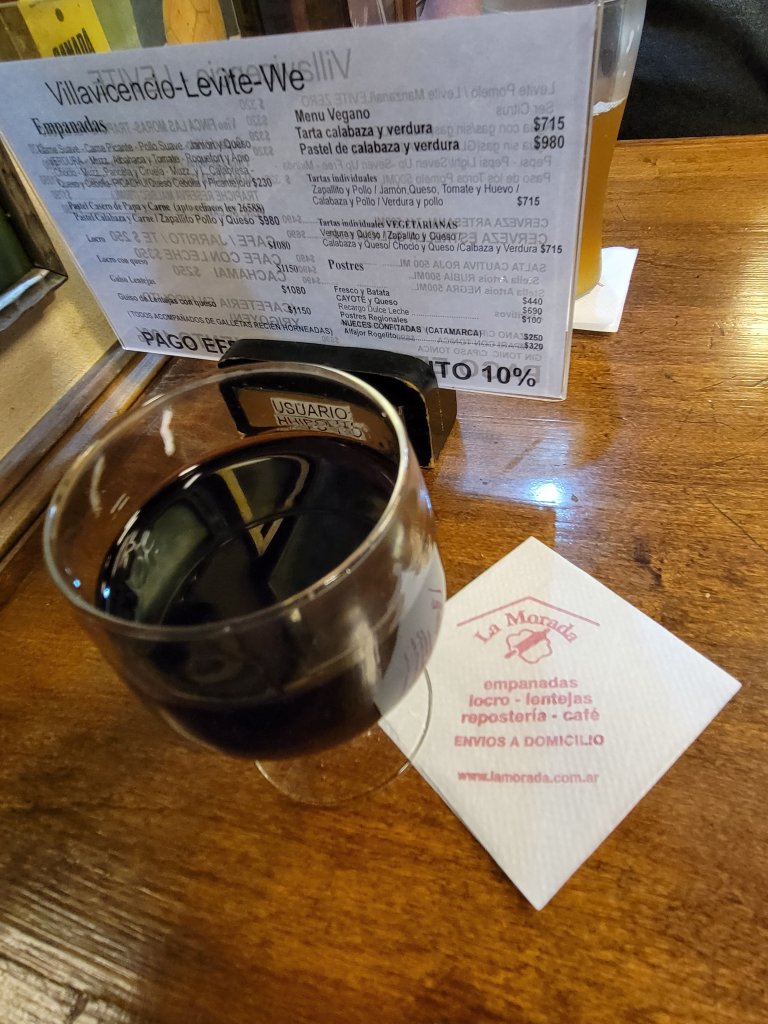
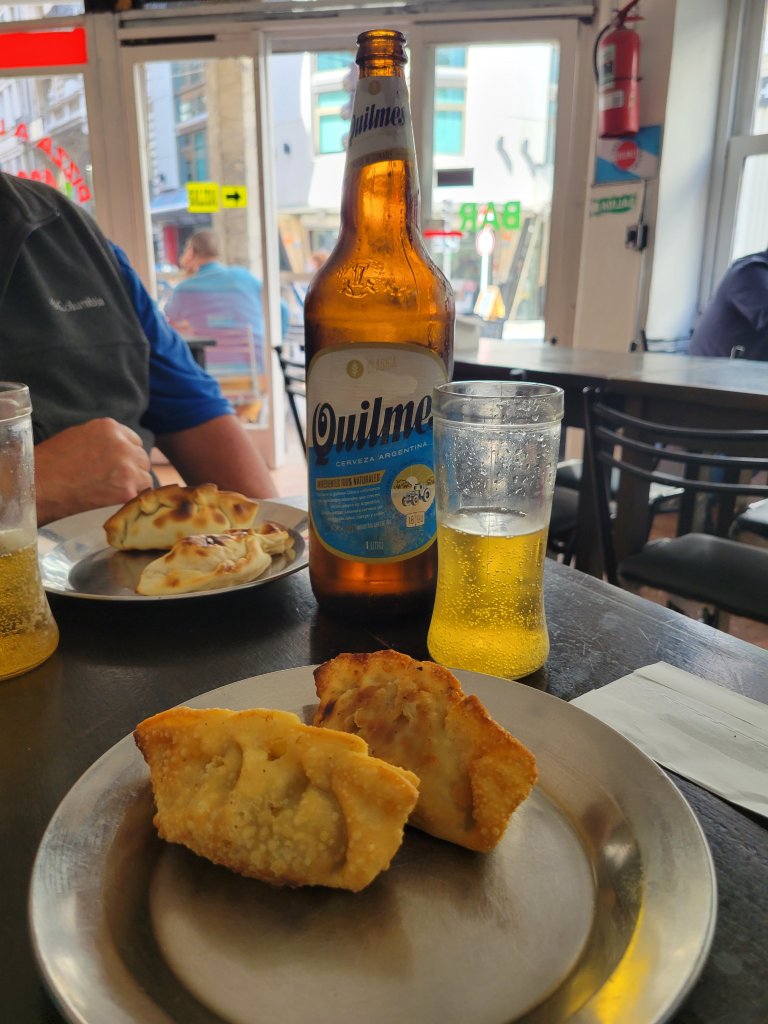


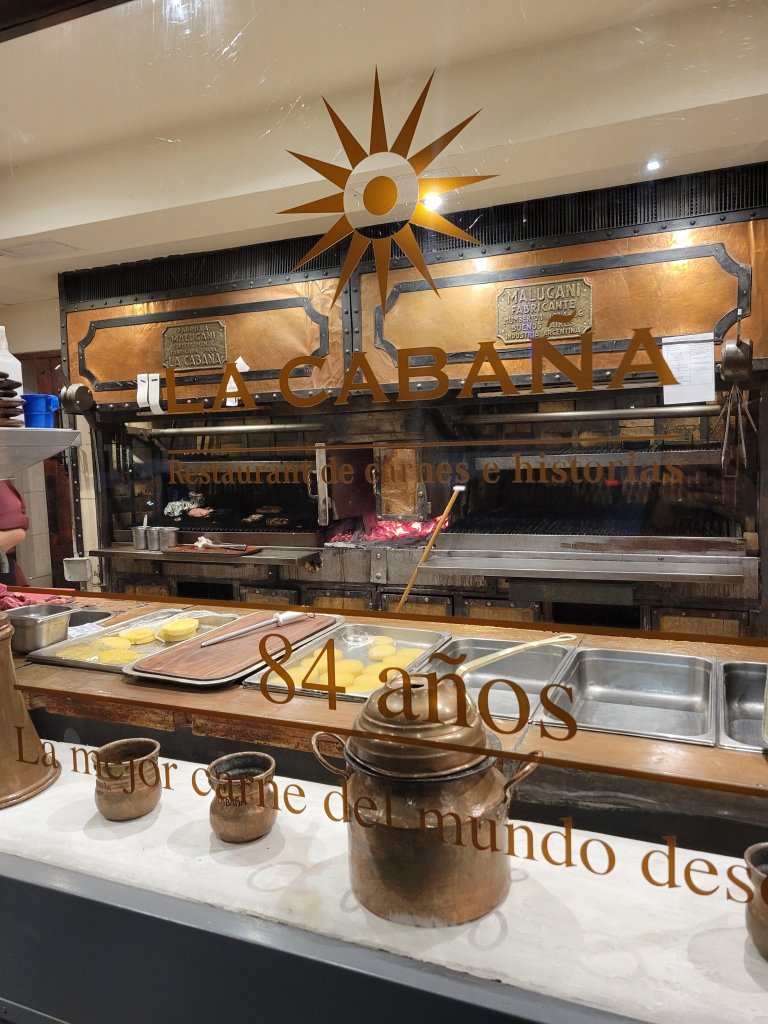


Argentina, a new country for us! Beautiful weather, on the verge of spring. It is always strange to see deciduous trees mixed with palm trees and other normally house dwelling plants.
Stated by one of our drivers “our favorite sport is protesting”. Inflation is out of control here. All the drivers we have met want to exchange currency, they want the security of the US dollar. They offer almost double of the current bank exchange rate. It’s known as the “blue market” and due to the amount of paper bills you get in return it feels pretty drug dealish.


The locals can spend hours in line for groceries. At least there is only one line so one does no worry about getting in the wrong line.
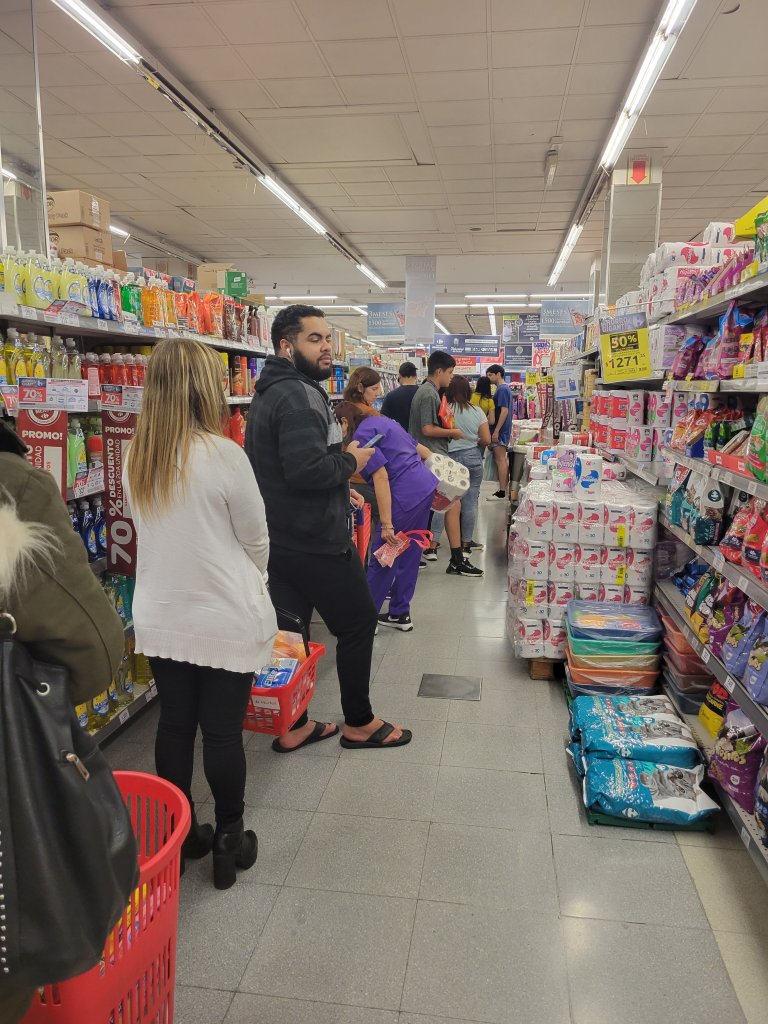
We feel safe but also have heard from many not to go certain places at night and not to show cash.
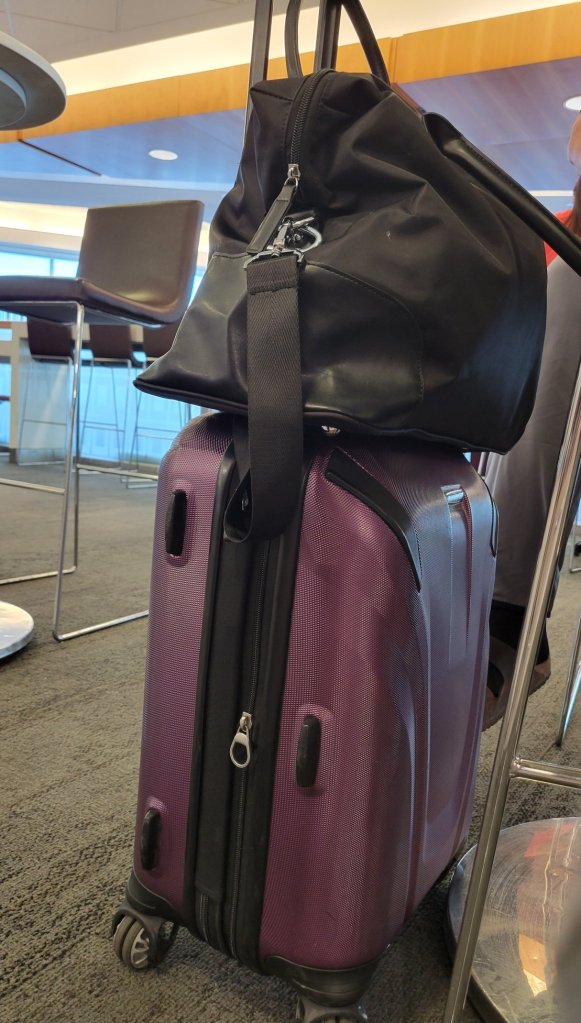
It’s been four months since we’ve packed for anything other than a overnight trip and I am out of practice!
Fortunately, I have a packing list that I can check off items as I pack them. Still, at midnight before travel and leaving by 9am for the airport, we are looking up what electric adapters we need, what the high and low temperatures are, is the tap water safe to drink…
I’m thinking South America, that’s easy packing, it’s warm there and it’s a short flight. That all happens before my geography knowledge kicks in!


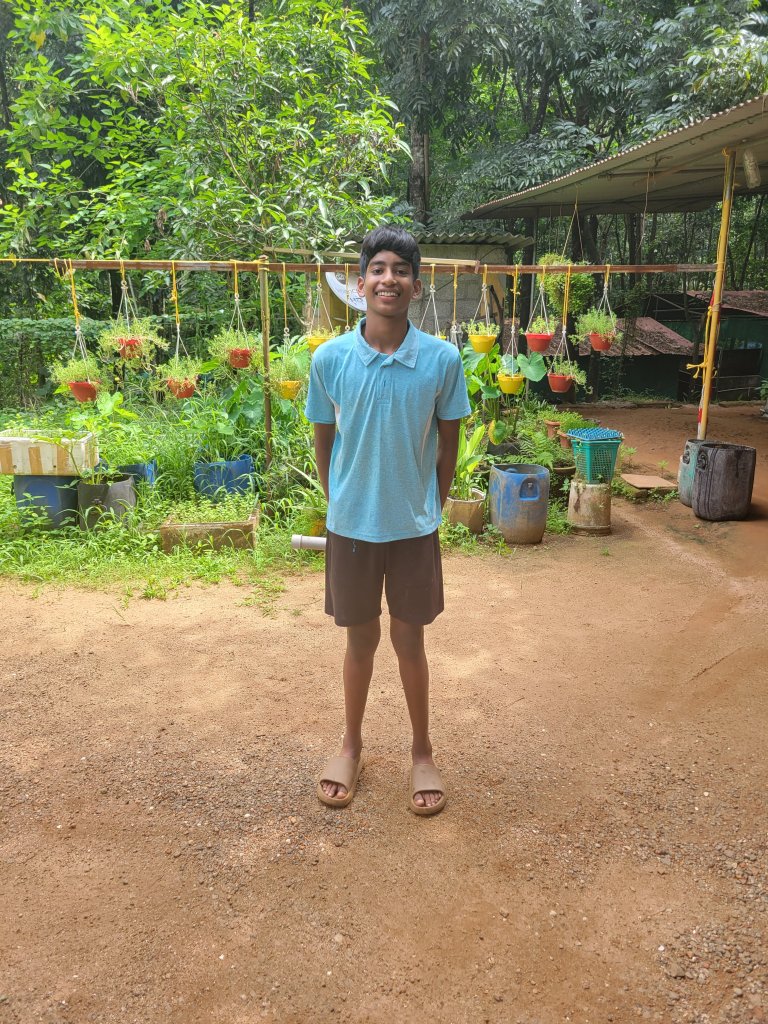
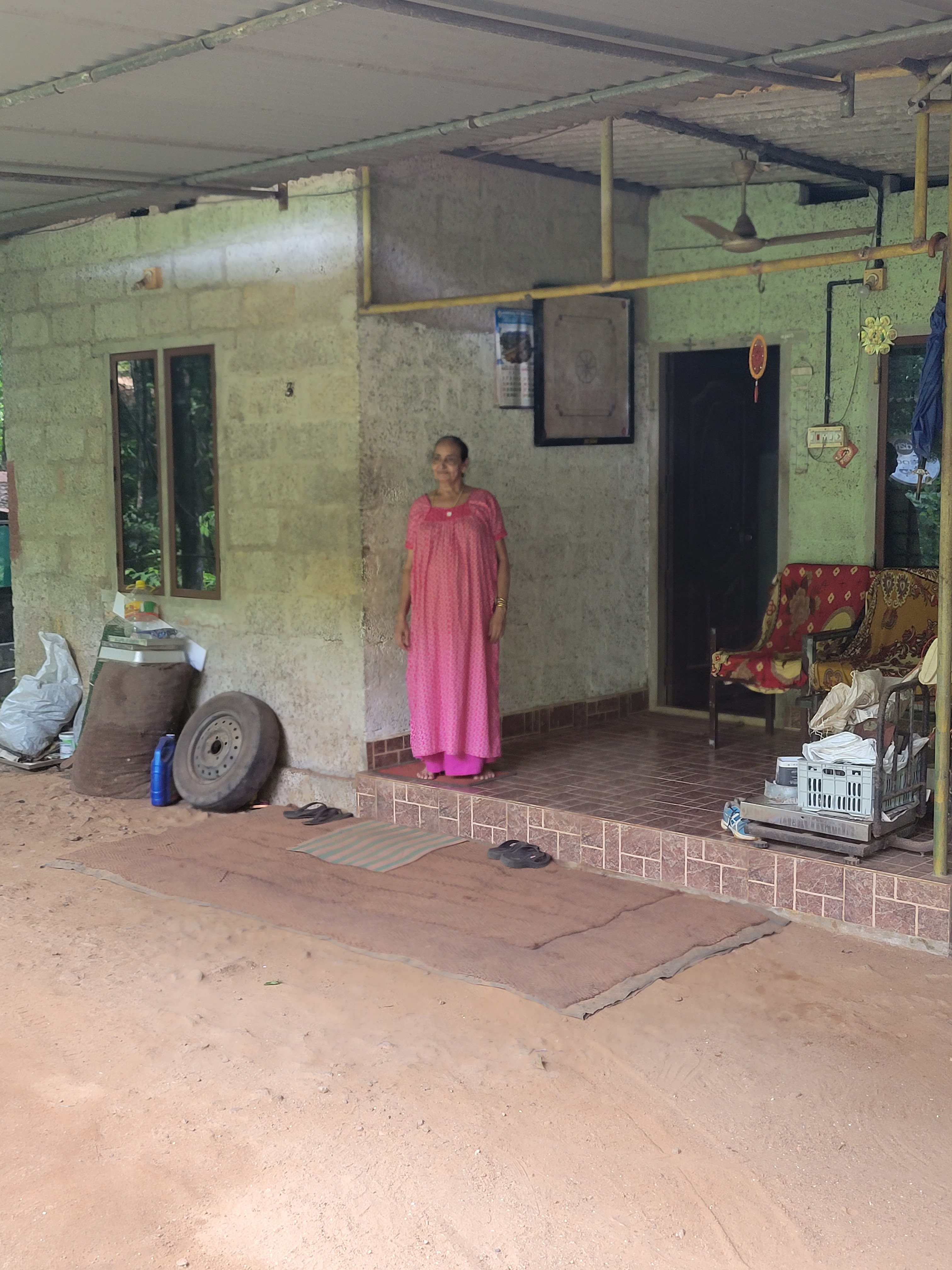

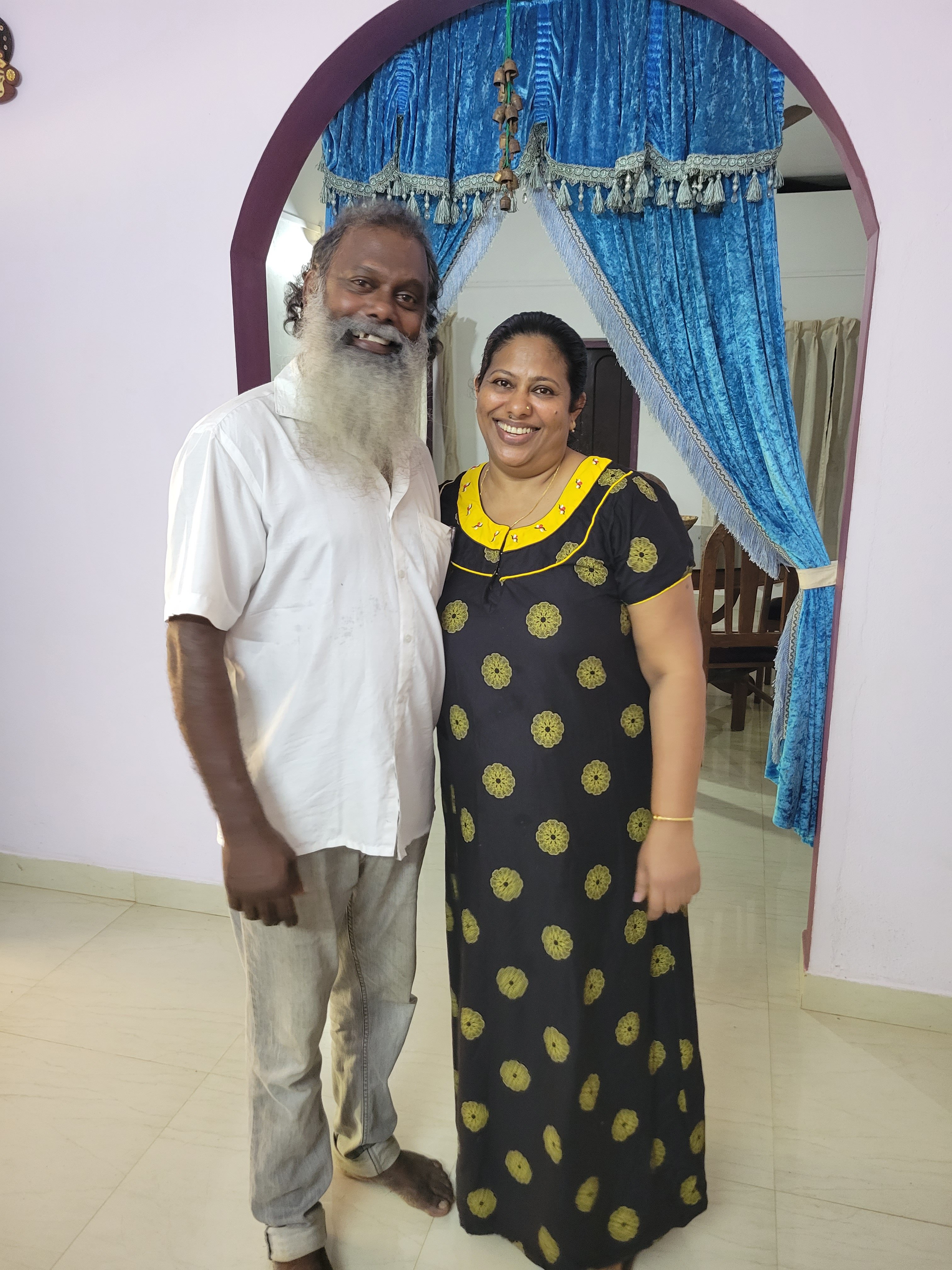


These are just a few of the spices and plants we saw. There are several leaves such as the curry leaf and fenugreek leaf used in almost every southern India cuisine. The biggest jack fruit ever; many kinds of bananas, coffee and tea just to name a few. All were made more special by the people!
The Southern tip of India is known as South India. It is made up of several states and territories. We were in three of these states; Karnataka, Kerala and Tamil Nadu.
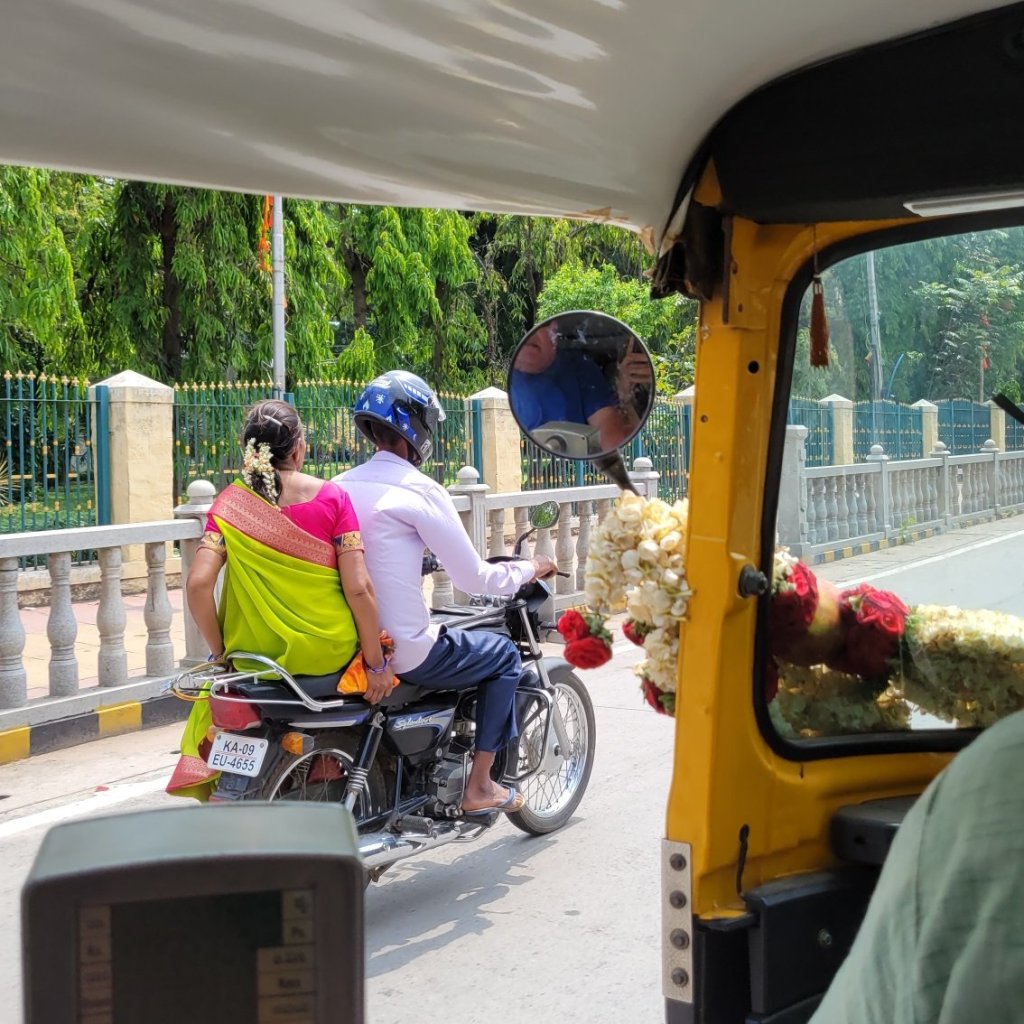
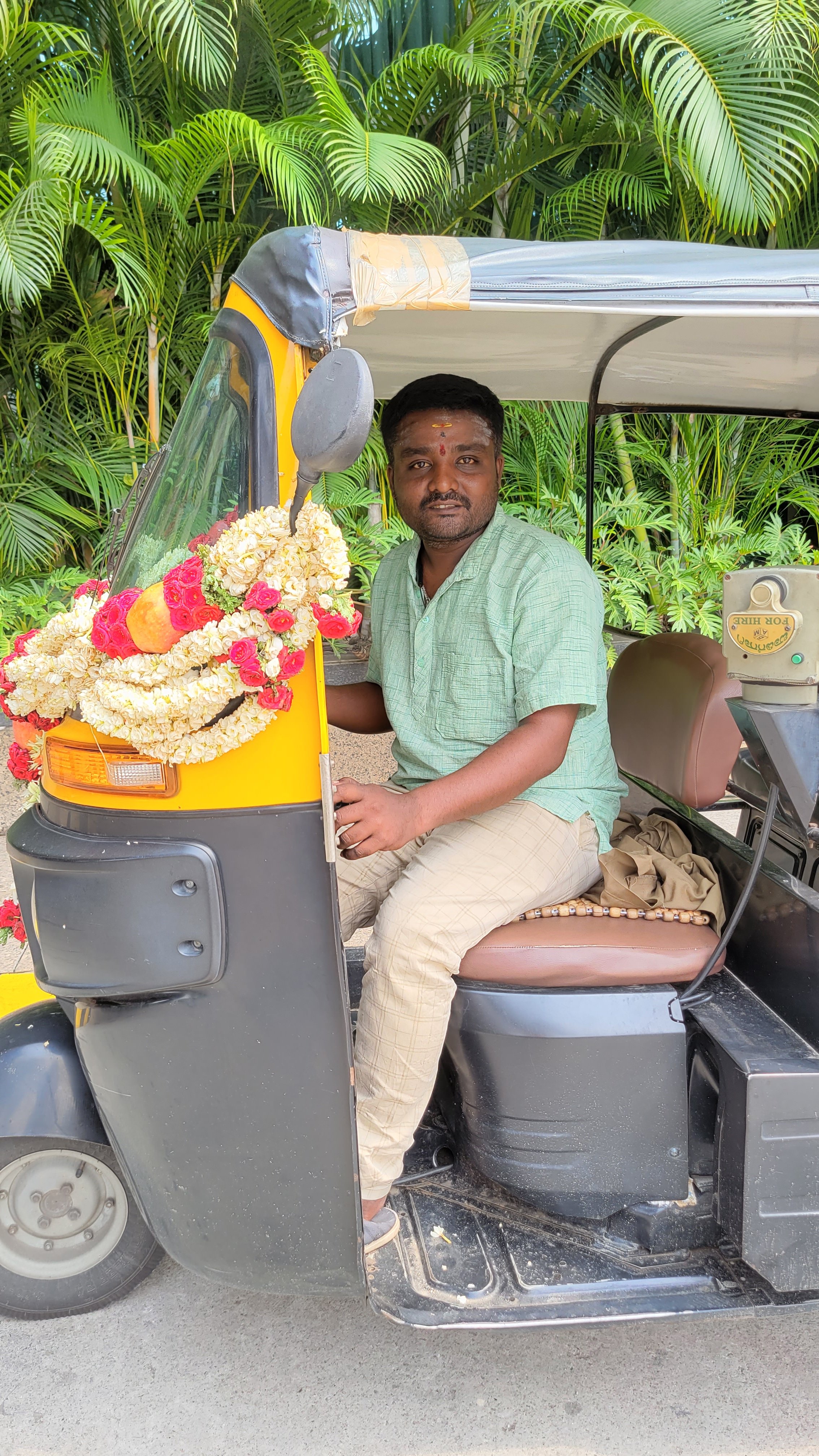
Each state had similarities and was also unique. Each have their own language which is also similar but different. The tuk tuk styles even varied by area.
Our host in Salem in the state of Tamil Nadu jokingly stated they were the French of India; with their language and culture which is not Hindi and they are not changing. Their language is one of the oldest.
No matter where we were we felt welcome although we did get quite a few extra long looks being big, tall, and having light skin. The people are eager to please and hard working.
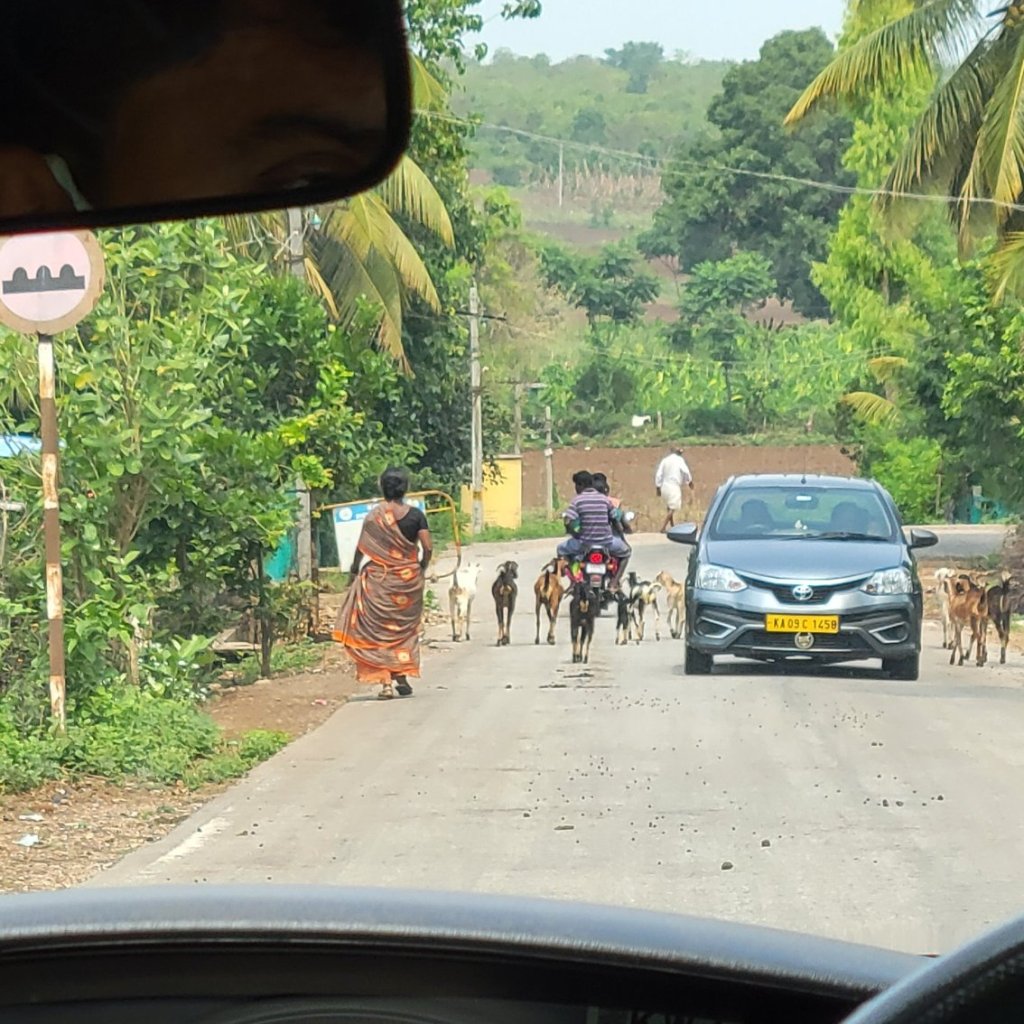
My pictures show what is wondrous and different from my perspective but much of India is modern and doesn’t feel so different then what we all experience every day.




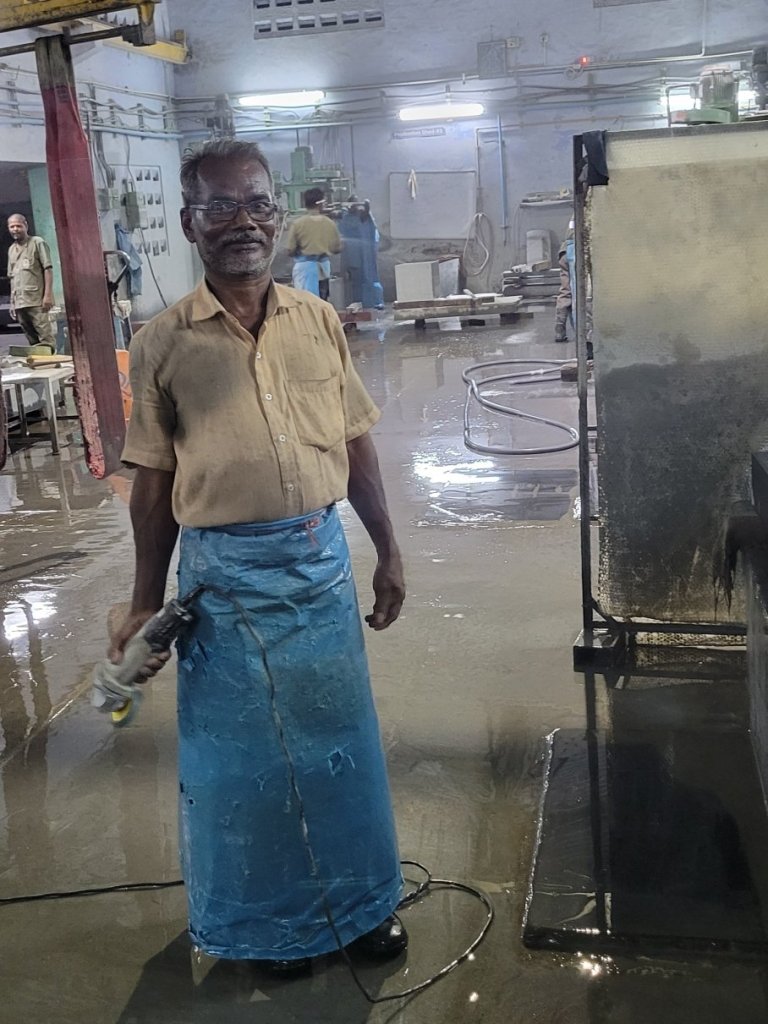
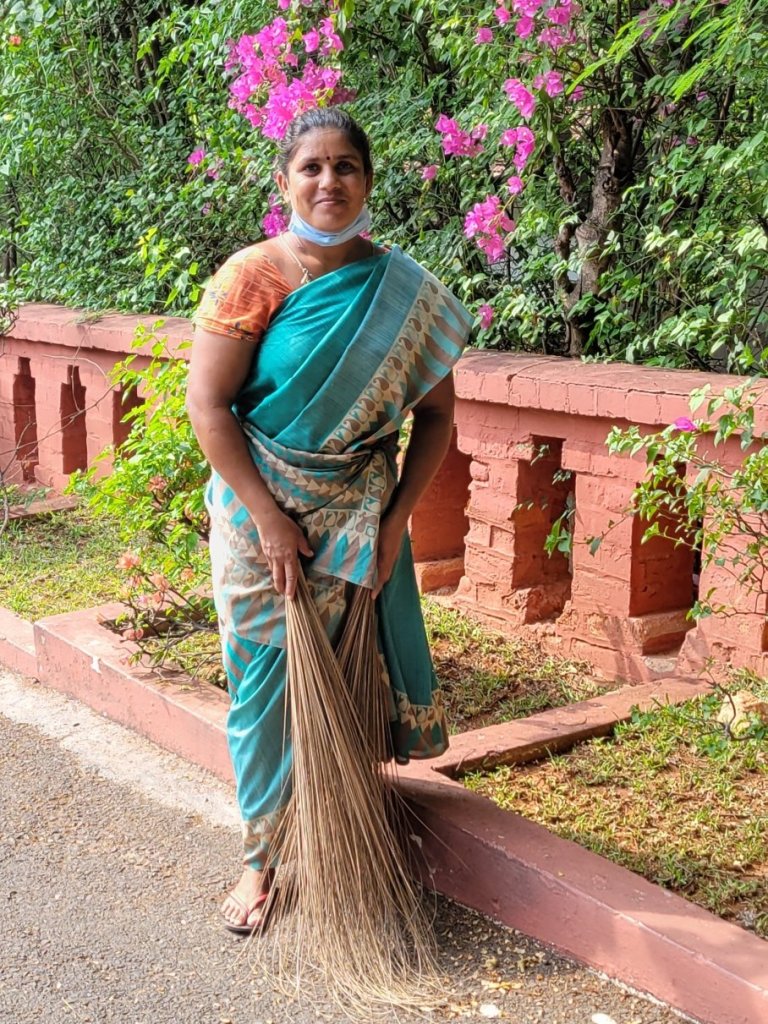
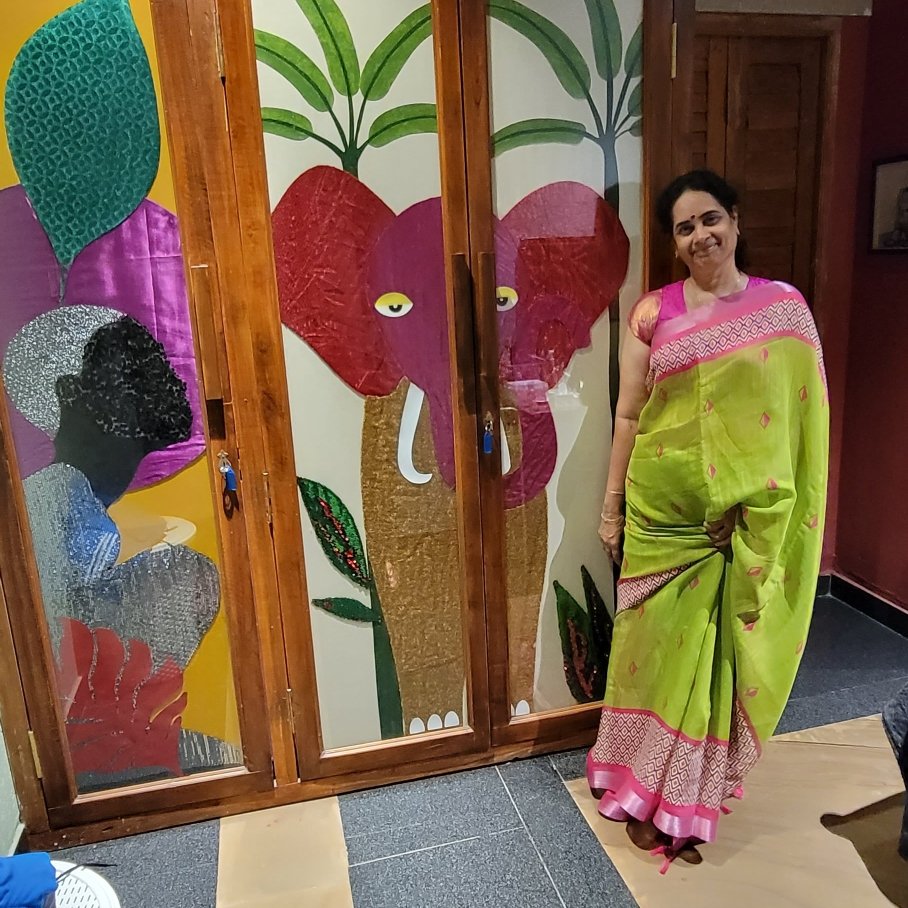
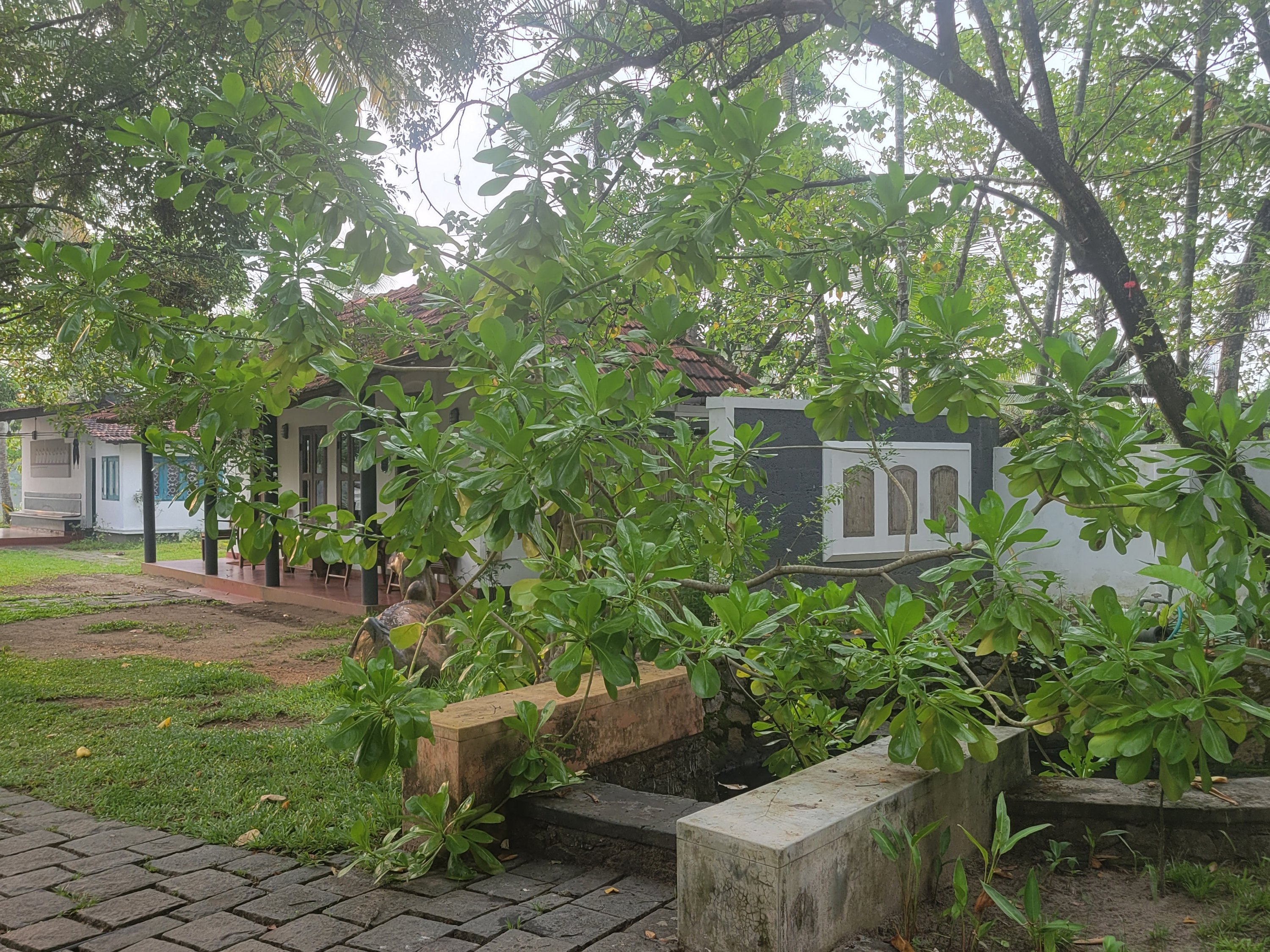
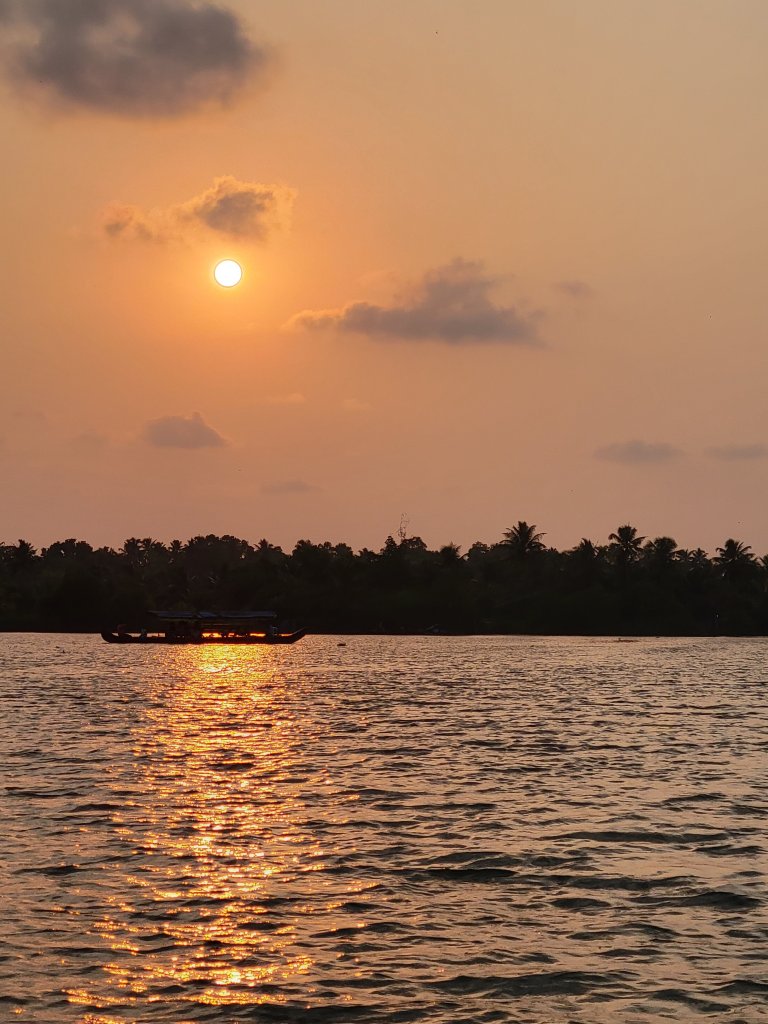
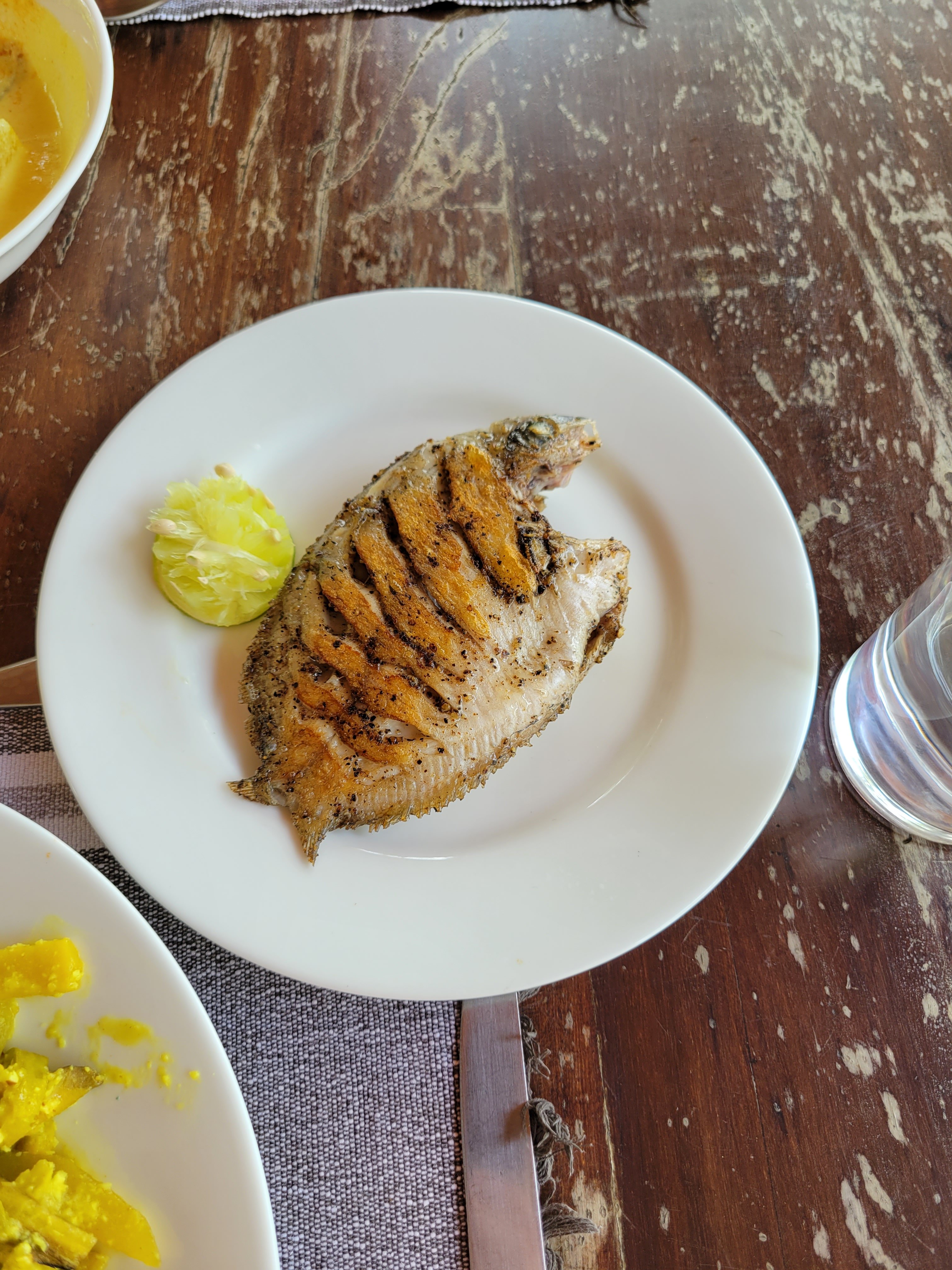
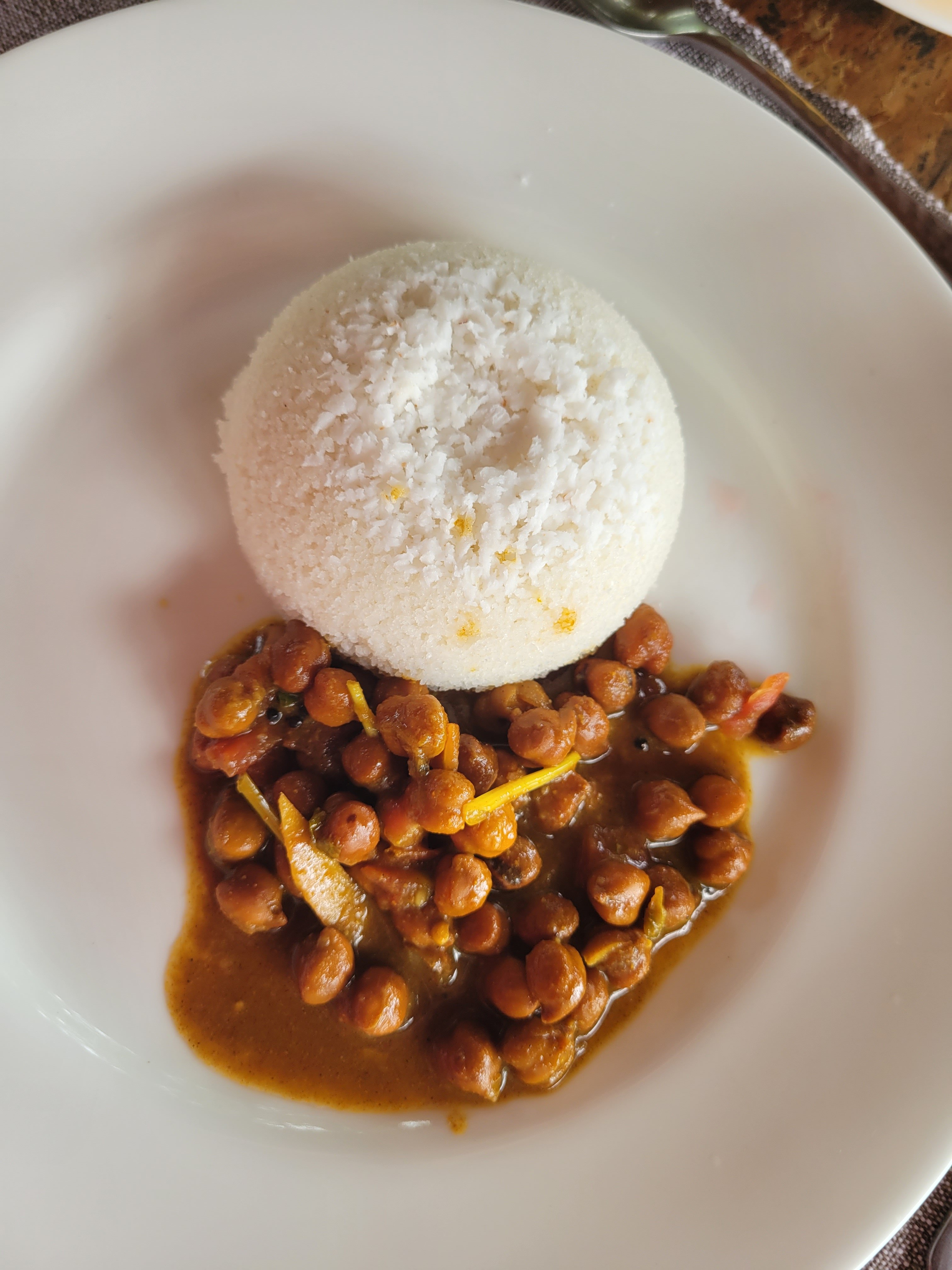
Where the freshwater from 38 rivers meets the seawater from the Arabian Sea. The area cover nearly 600 square miles and create a labyrinth of islands and waterways on the southwest coast of India.
We stayed in a very small resort, Kayak Island Retreat, on an island only accessible by boat. The experience was such a contrast to the other places we were in India; quite, peaceful and a slow pace.






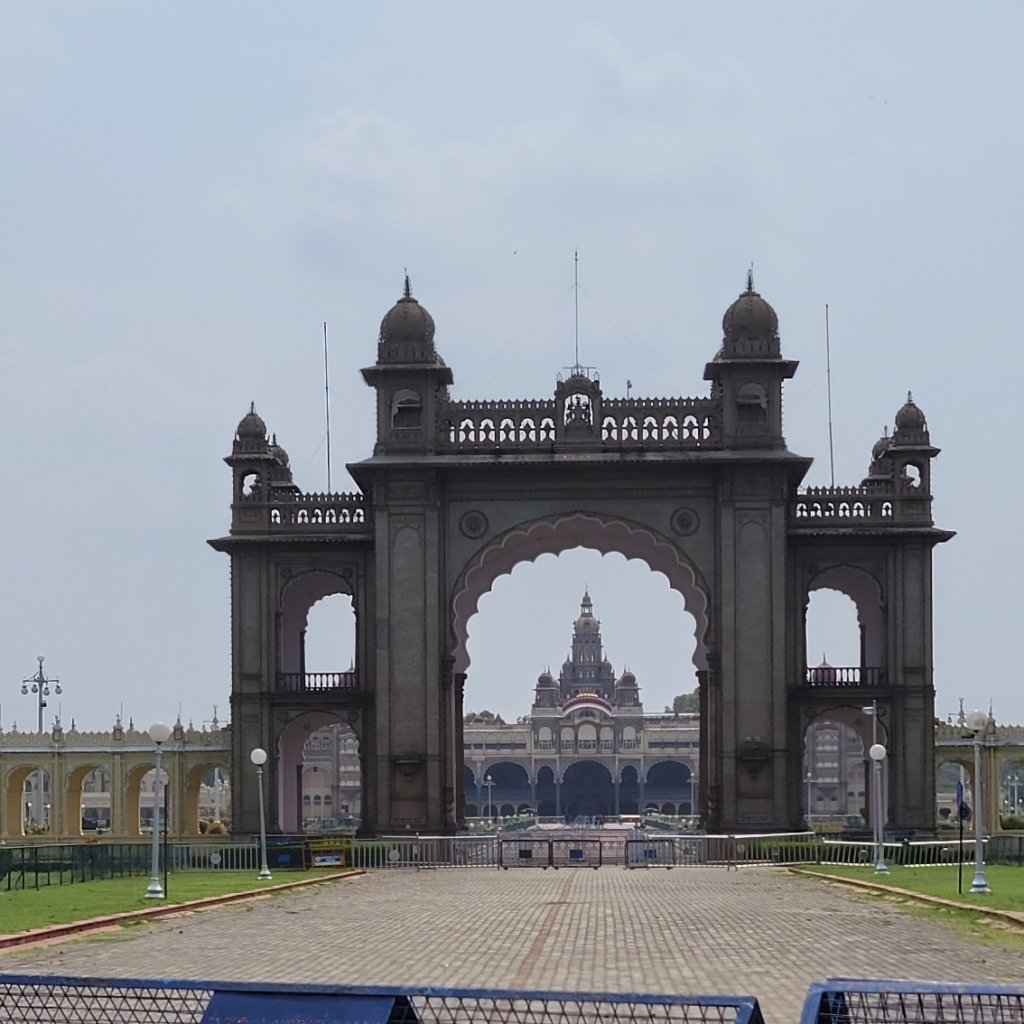
We had a quick stay in Mysore or Mysuru in India. This city of 1 million is known for is palaces of which there are seven. The largest and best known is Mysore Palace.
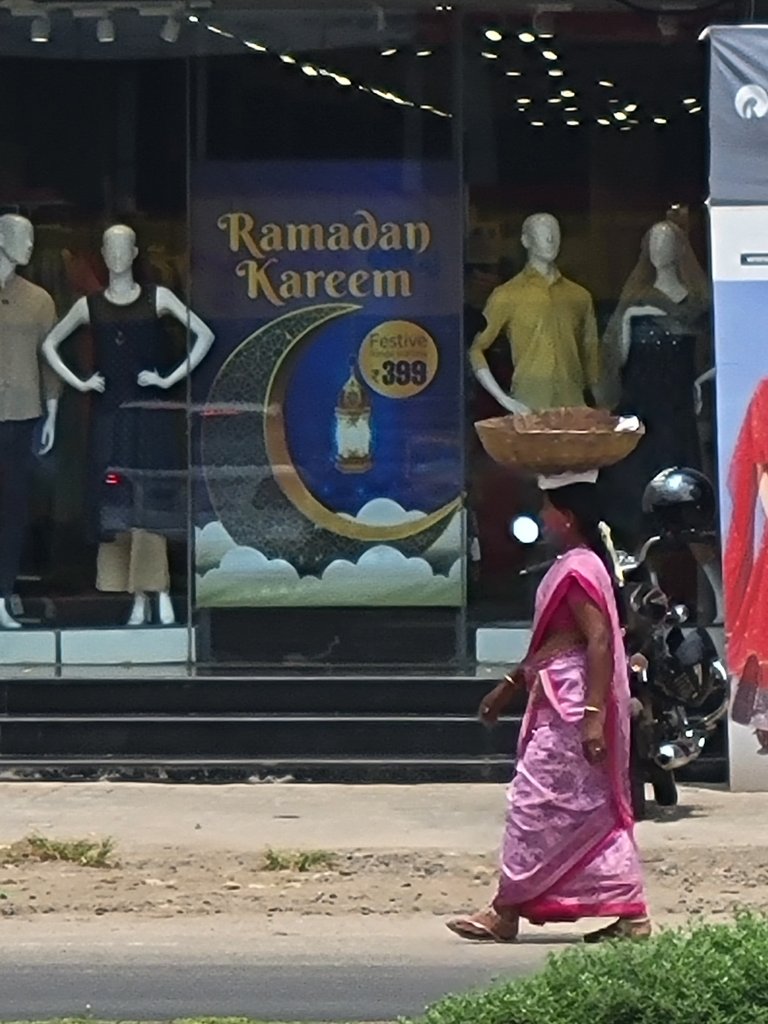
On the nights of Sunday and holidays the palaces are lit up and outlined with lights. We were in Mysore on Eid, the end of Ramadan and the lights were on.
From a window in our hotel we had a beautiful view of the Mysore Palace outlined in white lights. We were both trying to take pictures and just as we were about to figured out, the lights went out!
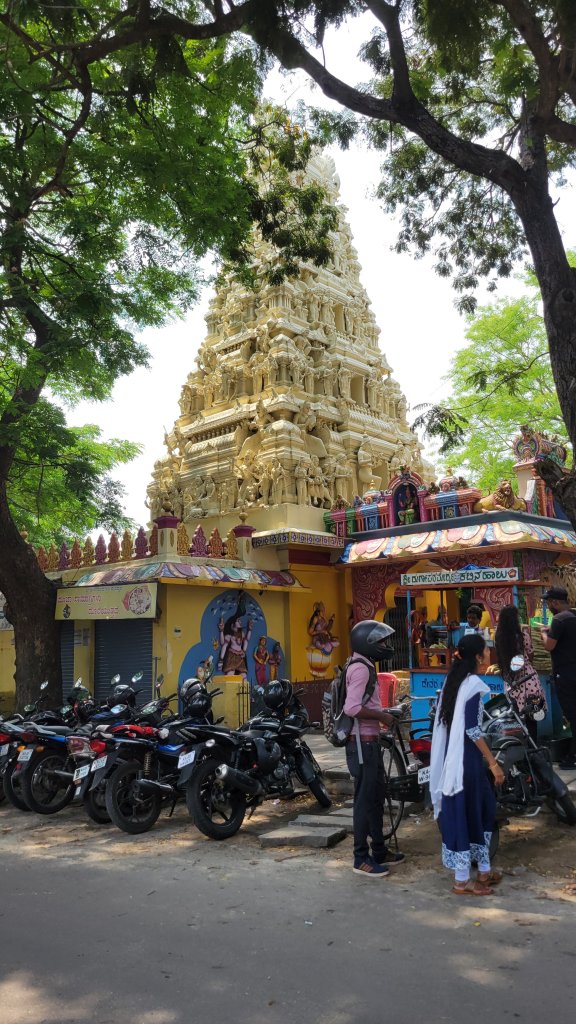
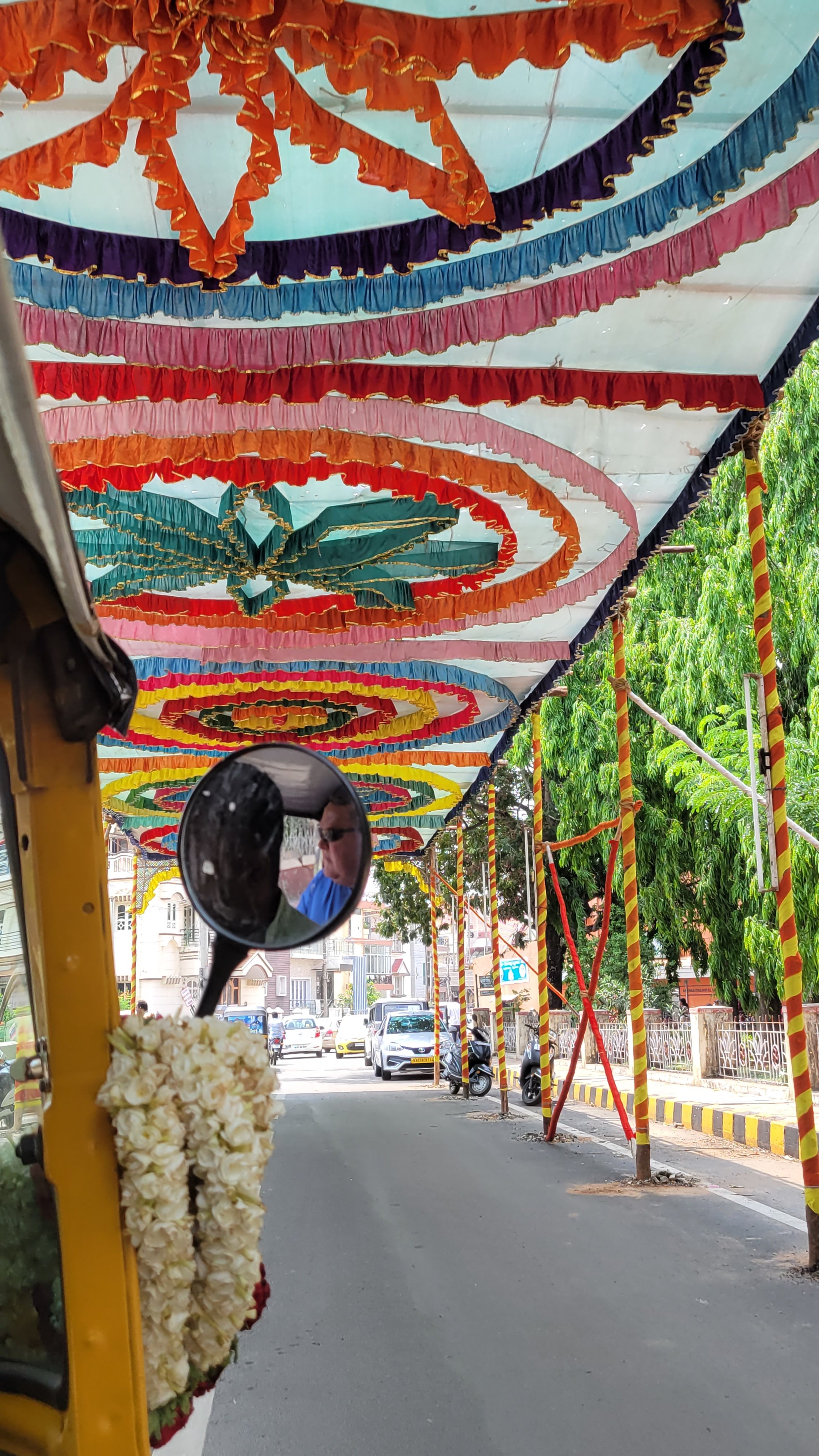
Most of these pictures are from a tuk tuk; so lots of bouncing, in motion and you sure don’t want to stick you arm out to take a photo as it may be taken off.



 Travels Unraveled